
Driver Error in Trucking Accidents
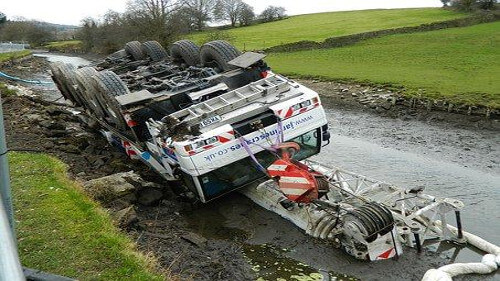
When a massive semi-truck collides with a passenger car, the results can be devastating. Many people assume these incidents are just “accidents,” but often, they are the direct result of a preventable mistake. Understanding the role of driver error in trucking accidents is crucial for anyone who has been injured on Alaska’s roads and is considering speaking with an Anchorage, AK, car accident lawyer.
A simple mistake behind the wheel of an 80,000-pound vehicle can cause life-altering injuries, and figuring out what went wrong is a critical step toward getting the help you need to recover. These situations often involve more than just the driver; the trucking company they work for may also share responsibility for the choices that led to the crash.
Schedule a Free Initial Consultation
Key Takeaways about Driver Error in Truck Accidents
- This post examines common types of mistakes made by truck drivers that can lead to serious crashes.
- Federal regulations, such as Hours of Service rules, exist to prevent specific kinds of driver error, like fatigue.
- Responsibility for a truck crash may extend beyond the driver to include the trucking company or other parties.
- Evidence like electronic logs, vehicle maintenance records, and driver employment history is often used to establish the cause of a crash.
- People injured in these accidents may be able to seek compensation for medical bills, lost income, and other damages.
Common Examples of Driver Error in Trucking Accidents
While every crash is unique, many stem from similar types of mistakes. These errors often happen because of pressure to meet tight deadlines, lack of proper training, or simple carelessness. From the busy streets of Anchorage to the long stretches of the Parks Highway, these errors put everyone at risk.
Here are some of the most frequent types of driver error in trucking accidents:
- Fatigue: Truck drivers work long hours. Federal rules are in place to limit driving time, but sometimes these rules are ignored. A tired driver can have slowed reaction times, poor judgment, and may even fall asleep at the wheel. The Federal Motor Carrier Safety Administration (FMCSA) has specific Hours of Service regulations to combat this, but violations are a known cause of serious crashes.
- Distracted Driving: Just like any other driver, truckers can be distracted by phones, GPS devices, eating, or other activities inside the cab. A moment’s inattention is all it takes for a truck to drift out of its lane or fail to see stopped traffic ahead.
- Speeding or Driving Too Fast for Conditions: Large trucks take much longer to stop than passenger cars. When a driver is speeding, they reduce their ability to stop in time to avoid a hazard. This is especially dangerous in Alaska, where weather can change quickly, making roads slick with ice or snow. Driving the speed limit may still be too fast for the conditions.
- Impaired Driving: Driving under the influence of alcohol or drugs is illegal and incredibly dangerous. This includes not only illegal substances but also certain prescription or over-the-counter medications that can cause drowsiness or impair judgment.
These common mistakes are often the starting point when looking into the cause of a collision.
How Federal Rules Are Meant to Prevent Truck Driver Error
The trucking industry is regulated by federal and state laws designed to keep the roads safe. These rules specifically target common causes of driver error. When a trucking company or driver fails to follow these regulations, it can be considered negligence—a legal term for failing to act with reasonable care, which causes harm to another person.
For example, the FMCSA sets strict standards for the industry. These rules are not just suggestions; they are legal requirements.

Key Federal Regulations
- Hours of Service (HOS): As mentioned, these rules dictate how long a driver can be on the road without taking a break and how much rest they must get between shifts. Most commercial trucks are now equipped with Electronic Logging Devices (ELDs) that automatically track this information, making it harder for drivers to falsify their logbooks.
- Drug and Alcohol Testing: The FMCSA requires trucking companies to have a drug and alcohol testing program. This includes pre-employment testing, random testing, and testing after a serious crash. A positive test can be strong evidence of driver error.
- Hiring and Training Standards: Trucking companies have a duty to hire qualified drivers. This means checking their driving records, ensuring they have the correct commercial driver’s license (CDL) for the vehicle they operate, and providing proper training on safety procedures and equipment.
When these rules are broken, it not only puts the driver at fault but can also place legal responsibility on the trucking company that failed to enforce them.
Who Is Responsible for a Trucking Accident Caused by Driver Error?
One of the most complex parts of a trucking accident case is determining who is legally responsible, or liable. While the driver’s mistake may be the direct cause, other parties might have contributed to the situation that allowed the error to happen.
Several parties could be held accountable for a crash:
- The Truck Driver: The driver is responsible for their own actions behind the wheel. If they were speeding, distracted, or otherwise careless, they can be held liable for the harm they caused.
- The Trucking Company (Motor Carrier): In many cases, the driver’s employer can also be held responsible. This is based on a legal concept called respondeat superior, which means an employer is responsible for the actions of its employees while they are on the job. The company can also be held directly liable for its own negligence, such as hiring an unqualified driver, failing to maintain its vehicles, or encouraging drivers to violate HOS rules to meet deadlines.
- The Cargo Shipper/Loader: If the truck’s cargo was improperly loaded or secured, it could shift during transit, causing the driver to lose control. In these situations, the company that loaded the cargo might share some responsibility.
- Maintenance and Repair Shops: If a mechanical failure contributed to the crash (like brake failure) and it was due to a faulty repair, the shop that performed the work could be liable.
Identifying all the responsible parties is essential to ensuring that an injured person receives fair compensation for their losses.
How Is Driver Error Proven After a Truck Crash?
You can’t just say a truck driver made a mistake; you have to prove it. After a serious wreck on a road like the Glenn Highway, evidence can disappear quickly. That’s why a prompt and thorough investigation is so important. Proving driver error in a truck accident often involves gathering and analyzing many types of evidence.
An investigation typically looks for key pieces of information:
- The Truck’s “Black Box”: Officially known as an Event Data Recorder (EDR), this device records data about the truck’s speed, braking, and other operational details in the moments leading up to a crash. This information can directly show if a driver was speeding or failed to brake in time.
- Electronic Logging Device (ELD) Data: This data provides a detailed record of the driver’s hours on the road. It can be used to prove that a driver was violating HOS rules and was likely driving while fatigued.
- Driver Qualification File: Trucking companies are required to keep a detailed file on every driver they employ. This file contains their employment history, driving record, training certificates, and medical records. It can reveal if the company hired a driver with a history of unsafe driving.
- Vehicle Maintenance Records: These records can show whether the truck was properly maintained. A pattern of neglected maintenance could point to the trucking company cutting corners on safety.
- Police Reports and Witness Statements: The official police report provides details from the scene, and statements from anyone who saw the crash can help paint a clear picture of what happened.
- Cell Phone Records: If distracted driving is suspected, the driver’s cell phone records can sometimes show if they were texting or talking on the phone at the time of the collision.
Gathering this evidence requires quick action, as trucking companies and their insurance providers start their own investigations immediately.
What Types of Compensation Are Possible?
If you were injured in an accident caused by a truck driver’s error, you may be facing significant challenges. Medical bills can pile up, and if you can’t work, you lose your income. The goal of a personal injury claim is to recover compensation for these and other losses, helping you get back on your feet.
Compensation in a trucking accident case is often broken down into two main categories:
- Economic Damages: These are the tangible financial losses you have suffered. They are calculated based on bills, receipts, and other financial documents. Examples include medical expenses (past and future), lost wages, and loss of future earning capacity if you are unable to return to your previous job.
- Non-Economic Damages: These damages compensate you for the non-financial harm caused by the accident. They are more subjective but are just as real. This can include pain and suffering, emotional distress, and loss of enjoyment of life.
The compensation in these cases should reflect the full extent of the injuries and losses. The amount of compensation depends on many factors, including the severity of your injuries and the amount of evidence showing the other party’s fault.
In Alaska, you must also be aware of the state’s laws on comparative negligence. Under this rule, your compensation can be reduced by your percentage of fault. For example, if you are found to be 10% at fault for the accident, your total compensation award would be reduced by 10%. Insurance companies often try to use this rule to shift blame and pay less, which is why having strong evidence of the truck driver’s error is so important.
FAQs for Driver Error in Trucking Accidents
Here are some answers to common questions people have about driver error in trucking accidents.
What if the truck driver says the accident was caused by a mechanical failure?
Even if a mechanical failure, like a tire blowout or brake failure, was the immediate cause of the crash, it could still be tied to driver or company error. An investigation would look into whether the failure was due to poor maintenance, a failure to conduct a pre-trip inspection as required by law, or a manufacturing defect.
How long do I have to file a personal injury claim in Alaska?
In Alaska, the statute of limitations—the legal term for the deadline to file a lawsuit—for most personal injury claims is two years from the date of the injury. It is very important to be aware of this deadline, because if you miss it, you may lose your right to seek compensation.
Can a trucking company be held responsible if the driver is an “independent contractor”?
Sometimes, trucking companies try to avoid liability by classifying their drivers as independent contractors instead of employees. However, this defense does not always work. If the company still exerts significant control over the driver’s work, such as setting their routes and deadlines, a court may still find the company responsible for the driver’s actions.
What should I do if the trucking company’s insurance adjuster contacts me?
You should be very careful when speaking to an insurance adjuster for the trucking company. Their job is to protect their company’s financial interests, which often means paying out as little as possible. It is generally advisable to avoid giving a recorded statement or signing any documents without first consulting with a legal professional.
Is driver fatigue really a big problem in the trucking industry?
Yes, driver fatigue is a significant and well-documented safety issue. The demanding schedules and long hours inherent in the trucking industry create a high risk for fatigue-related crashes. This is precisely why the FMCSA’s Hours of Service regulations are so strict and why violations are taken so seriously.
Stay Calm. Stay Cool. Call Crowson.
If you have been injured in an accident involving a large truck in Anchorage, Wasilla, or anywhere in Alaska, you don’t have to sort through the details on your own. Proving driver error in trucking accidents requires a deep understanding of federal regulations and a thorough investigation, which is why speaking with an experienced Anchorage, AK, personal injury lawyer can make a critical difference. The team at Crowson Law Group is here to help you understand your rights and options.

We are a client-focused firm, and our people are what set us apart. We are responsive, available, and easy to talk to. We believe an educated client is a happy client, and we will work to get you full and fair compensation for your injuries. For a free, no-obligation consultation to discuss your case, contact us today. Call our Anchorage and Wasilla offices at (907) 418-3116 or visit our contact page to get in touch. We are available 24/7 to take your call.