Truck accidents can create complicated injury claims because commercial vehicles involve different regulations, insurance considerations, and evidence than ordinary passenger vehicle crashes. An Anchorage truck accident lawyer can help injured individuals understand how fault is determined, what parties may be responsible, and what options may be available after a collision with a commercial truck.
At Crowson Law Group, we help Alaskans understand the claims process after serious vehicle accidents. Our founder, James Crowson, began his career defending insurance companies before moving to representing injured people. That background shapes how we read a commercial carrier's file, what we document early, and where a claim tends to stall.
If you were injured in a truck accident, call us at 907-777-7777 for a free consultation. We are available 24/7 to listen to your situation.
What Sets Our Approach to Truck Accident Claims Apart

Truck accident claims require a careful review of evidence, insurance coverage, and the actions of everyone involved. Because our founder spent the early part of his career defending insurers and healthcare providers, we know what a carrier looks for when it reviews liability and how it approaches settlement. We use that understanding to help injured Alaskans weigh their options.
Our team also focuses on making communication clear and accessible throughout the claims process. With My Crowson Case, our online client portal, clients can review case updates, access documents, and stay connected with their legal team. We also offer 24/7 availability through phone and text communication, and we can travel to clients when meeting in person is difficult.
Please do not hesitate to call us if you need help with your situation. We will listen to your concerns and provide direction even if we are unable to take on your case.
If you are looking for a commercial truck crash lawyer in Anchorage, call us and we will walk you through where your claim stands and what comes next.
What Makes Truck Accident Claims Different in Alaska?
Truck accident claims in Alaska are different because they may involve larger vehicles, more serious injuries, commercial trucking regulations, and multiple parties who may share responsibility. Unlike a typical car accident claim, a collision involving a tractor-trailer or other commercial vehicle may require reviewing records from the driver, trucking company, maintenance providers, and other parties connected to the vehicle.
Alaska’s Freight Routes Create Unique Trucking Conditions
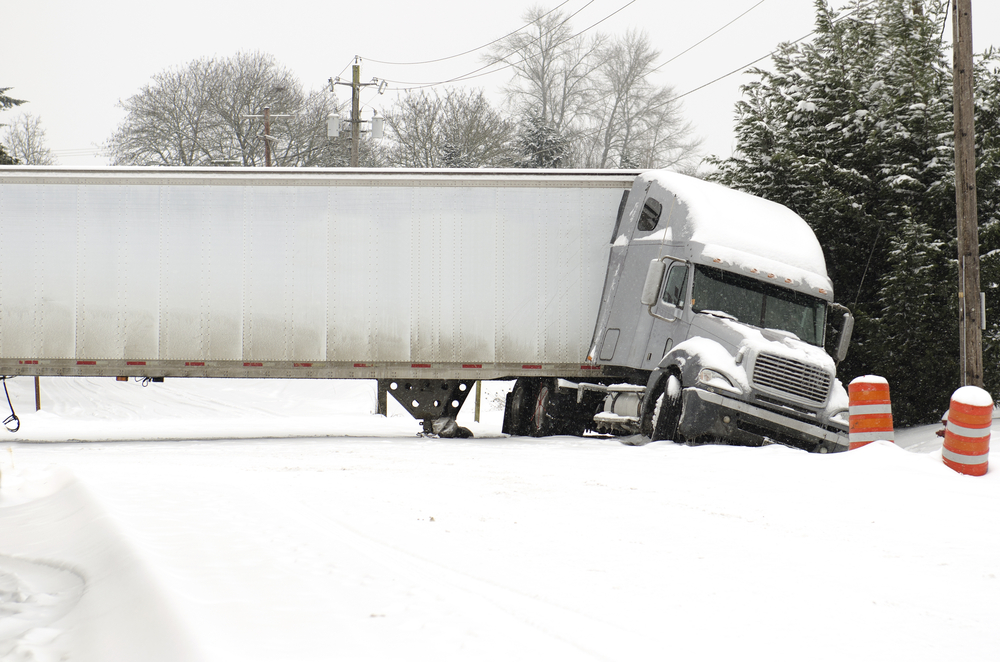
The Glenn Highway and Parks Highway are major routes for commercial traffic moving through Alaska. These highways can see a combination of freight vehicles, passenger vehicles, RVs, and local traffic, creating situations where careful investigation is needed after a crash.
The Dalton Highway presents additional challenges because it supports industrial and freight traffic in remote areas. Collisions in these locations may involve longer response times, limited access to medical care, and additional difficulties collecting evidence after the accident.
Freight moving through the Port of Alaska puts delivery vehicles and long-haul carriers onto busy Anchorage roads year round.
Commercial Truck Claims Require More Evidence
Truck accident cases may involve records that are not part of a standard car accident claim. Important evidence may include driver logs, electronic logging device information, vehicle inspection reports, maintenance records, cargo documentation, and company safety records.
Federal trucking regulations may also become relevant when evaluating whether a driver or company followed applicable requirements. These rules place limits on how long commercial drivers may operate vehicles without rest.
Because evidence in commercial truck cases may be held by multiple parties, understanding what information exists and how it relates to the crash can be an important part of evaluating the claim. At Crowson Law Group, we help injured Alaskans understand the factors that may affect their case and the steps involved in reviewing a truck accident claim. Call us and we can explain which records matter in your case and what options may be available.
What Causes Most Truck Accidents in Alaska?
Truck accidents happen for many reasons, and determining what caused a collision requires looking closely at the actions of the driver, trucking company, vehicle maintenance providers, and other factors involved. Commercial trucks operate under federal and state safety requirements, and a failure to follow those requirements may become relevant when reviewing how a crash occurred.
Driver Fatigue and Hours-of-Service Violations
Long hours on the road can create challenges for commercial drivers, especially on Alaska routes that require extended travel between communities. Federal hours-of-service rules limit how long commercial drivers may operate before taking required rest periods, and trucking companies must maintain records showing compliance with those requirements. A review of these records can help determine whether a driver’s schedule, workload, or rest periods may have contributed to the crash.
Mechanical Failures and Maintenance Problems
Commercial trucks require regular inspections and maintenance because their size and weight place significant demands on components such as brakes, tires, steering systems, and other equipment. A failure to identify or address mechanical issues may contribute to a collision. Maintenance records, inspection reports, and repair documentation may also identify whether responsibility belongs to the trucking company, a maintenance provider, or another party involved with the vehicle.
Improper Loading and Cargo Securement
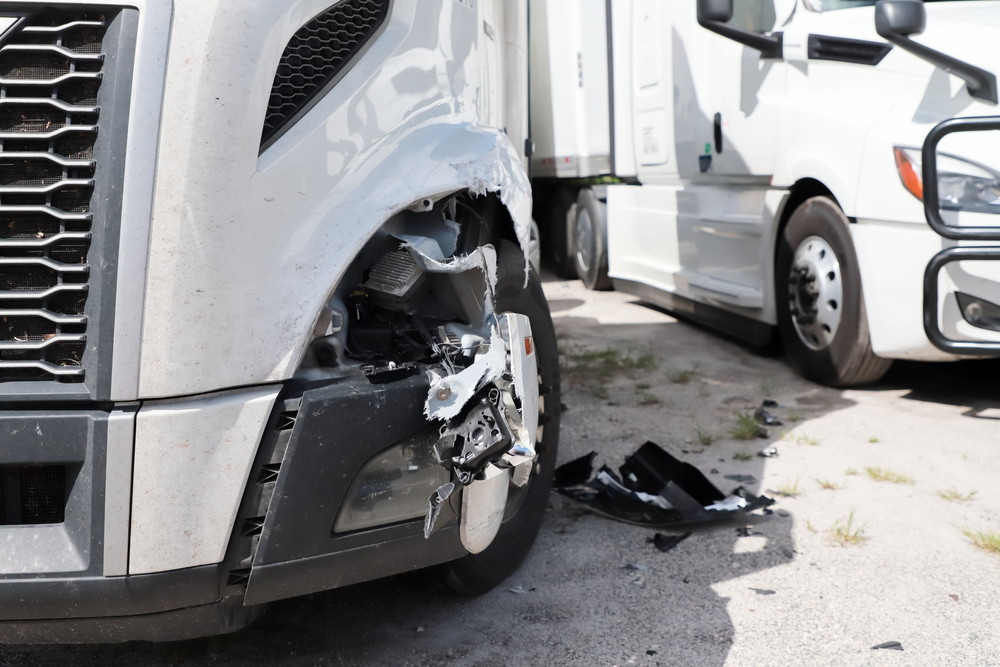
Commercial trucks transport many forms of cargo, and that cargo must be loaded and secured properly before the vehicle enters the roadway. Improperly secured or unevenly distributed loads can affect a truck’s handling, braking ability, and stability. Reviewing loading records and identifying the parties responsible for cargo handling can help clarify what contributed to the accident.
Distracted or Impaired Driving
Truck drivers must manage large vehicles while sharing Alaska roads with passenger vehicles, pedestrians, and other commercial traffic. Distractions, impairment, or a failure to pay attention to changing road conditions may increase the risk of a collision. Evidence such as witness statements, phone records, crash reports, and other available information may help establish what happened before the impact.
Inadequate Training or Negligent Hiring Practices
Trucking companies have responsibilities when selecting and training drivers who operate commercial vehicles. A company may need to evaluate a driver’s qualifications, safety history, and ability to handle the type of vehicle they are assigned to operate. In some cases, reviewing the company’s practices can help identify whether issues beyond the driver’s actions contributed to the collision.
If you are not sure what caused your crash, call us at 907-777-7777 and we will tell you what the records would need to show.
Who Is Liable for an Alaska Truck Accident?
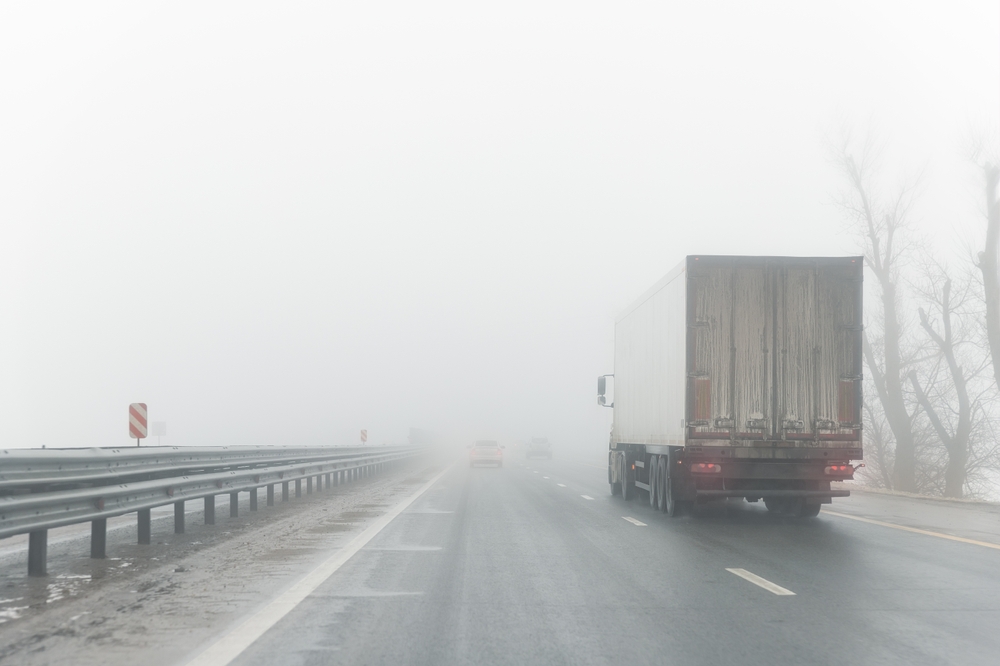
Liability in an Alaska truck accident is based on negligence and evidence showing which person or company contributed to the collision. Unlike many passenger vehicle crashes involving only two drivers, commercial truck accidents may involve several responsible parties connected to the vehicle.
Responsibility often reaches past the crash itself. A driver may have made an unsafe decision, but the investigation may also turn up issues with company policies, vehicle maintenance, loading procedures, or regulatory compliance.
The Truck Driver
Truck drivers have a legal duty to drive safely and follow applicable traffic laws and commercial driving requirements. Speeding, distracted driving, fatigue, impaired driving, unsafe lane changes, or failing to adjust to Alaska road conditions may contribute to a collision.
Evidence such as driver logs, electronic logging device records, inspection reports, witness statements, and crash reconstruction findings may help determine whether the driver’s actions contributed to the accident.
The Trucking Company
A trucking company may be responsible when its own decisions contribute to a crash. This may include issues such as inadequate driver training, improper supervision, delivery schedules that leave too little room for required rest, or failing to follow required safety procedures. Reviewing company records may reveal whether decisions made before the crash played a role in what happened on the road.
Other Companies
Truck accident claims can involve parties beyond the driver and trucking company. Depending on the circumstances, responsibility may extend to the following:
- Cargo loading companies: A company responsible for loading freight may be liable if improperly secured cargo shifts, falls, or affects the truck’s stability. Reviewing loading records and cargo documentation can help determine whether handling issues contributed to the crash.
- Maintenance providers: A third-party company that repairs or inspects commercial trucks may share responsibility if poor maintenance or an overlooked mechanical issue contributes to an accident. Brake failures, tire problems, and other mechanical defects may require a closer review of service records.
- Vehicle or parts manufacturers: In some cases, a defective truck component may contribute to a collision. Evidence from inspections and technical evaluations may help determine whether a manufacturing or design issue played a role.
If a tractor-trailer or other commercial vehicle was involved, we can review the evidence, explain how liability may apply, and tell you what the facts of your crash support. Sorting out who is responsible is usually the first thing we do. Call us and we can start with what you already know.
How Does Fault Affect an Alaska Truck Accident Claim?
Alaska uses a rule called pure comparative negligence, codified at Alaska Statute 09.17.060. Sharing some blame reduces what you recover but never bars the claim. An injured person who is 40% responsible still recovers 60% of their damages, and there is no cutoff at which recovery stops.
This rule matters in truck accident cases because trucking companies and their insurers may review every detail of a collision when deciding how responsibility should be divided. They may argue that an injured driver contributed to the crash by speeding, failing to react quickly enough, or making another driving decision that affected what happened. These arguments must be supported by evidence, not assumptions.
Pure Comparative Fault in Practice
Consider a situation where a commercial truck crosses into another lane on the Glenn Highway and strikes a passenger vehicle. The evidence shows the truck driver failed to maintain a proper lookout, but the trucking company argues the injured driver was traveling slightly above the posted speed limit.
After reviewing the evidence, a jury determines that the truck driver was 60% responsible for the collision and the injured driver was 40% responsible. If the total damages awarded are $100,000, the injured driver’s recovery would be reduced by 40%, resulting in a $60,000 recovery.
Insurance Companies May Dispute Fault Percentages
Fault disputes are often the main event in a commercial claim. Carriers and their insurers comb police reports, vehicle damage, witness statements, and electronic data for a reason to shift responsibility.
This does not mean the insurer’s assessment automatically determines who is responsible. Liability decisions depend on the available evidence and the specific circumstances of the crash. Building a clear picture of what happened may require reviewing multiple sources of information, including:
- Accident scene photographs and videos: These can show vehicle positions, road conditions, and other details that may help explain how the collision occurred.
- Driver and trucking records: Hours-of-service logs, electronic logging device data, inspection records, and maintenance documents may reveal issues involving the truck or driver before the crash.
- Medical records: Documentation of injuries and treatment can help connect the physical impact of the collision to the damages being claimed.
Because Alaska uses pure comparative fault, even a disputed percentage changes the outcome. We can review the evidence behind a fault percentage before you accept it.
Steps to Take After a Truck Accident in Alaska
What you do after a truck accident shapes how clearly the events are documented and how the claim is evaluated later.
- Seek medical attention and follow treatment recommendations
- Report the accident to law enforcement
- Photograph the crash scene, vehicles, road conditions, and visible injuries
- Collect witnesses’ contact information
- Keep records of treatment, lost income, and property damage
- Save all insurance communications and claim documents
- Avoid giving detailed statements to insurers before understanding your options
- Preserve information about the truck, driver, trucking company, and vehicle markings
- Avoid repairing or disposing of damaged property before it is documented
- Contact an attorney to examine the circumstances of the accident
These steps do not decide the outcome, but they preserve information while it still exists. If you are unsure what to do next after a commercial vehicle crash, call 907-777-7777 and we will walk you through it.
FAQs: Anchorage Truck Accident Lawyer
Here are answers to some of the questions we hear from people dealing with injuries after a commercial truck collision in Alaska.
How long do I have to file a truck accident claim in Alaska?
Two years from the date the claim accrues, under Alaska Statute 09.10.070. That is usually the crash date but not always. Claims involving a government entity often carry a much shorter written notice deadline, so tell us early if a state or municipal vehicle was involved.
What if the truck driver was from another state?
An out-of-state truck driver or trucking company may still be involved in an Alaska accident claim. Commercial carriers that operate across state lines may be subject to federal trucking regulations, and the location of the crash, the parties involved, and applicable insurance policies may all affect how the claim is handled.
How long does a truck accident investigation take in Alaska?
The timeline for truck accident investigation depends on the dynamics of the crash, the number of parties involved, the availability of records, and whether fault is disputed. Accidents involving commercial trucks may take longer to review because they can require additional evidence, such as driver logs, maintenance records, and company documents.
Who pays for my medical bills while the claim is pending?
Usually your own health coverage or medical payments coverage, if you carry it. The at-fault carrier does not pay bills as they come due, and waiting for it to do so is one of the more common reasons people fall behind. We can help you map which coverage responds first.
What does it cost to hire a truck accident lawyer?
Consultations are free and we work on a contingency fee, so our fee comes out of a recovery rather than up front. If there is no recovery, there is no fee. We will put the fee terms in writing before you sign anything.
[/rio_callout_block]
Discuss Your Truck Accident With an Alaska Injury Lawyer

If you were injured in a truck accident, we are here to give you clear answers about your options. Commercial claims move differently from ordinary car accident claims, and the first questions are usually about who was responsible and what evidence still exists.
We have handled personal injury claims across Alaska since 2011, from Anchorage and Wasilla through the Mat-Su Valley and the more remote parts of the state. Because our founder spent the early part of his career on the insurance side, we know what a carrier looks for in a commercial file and how early that review begins.
You can reach us 24 hours a day by phone or text, and we will travel to you if getting to us is difficult. Through My Crowson Case, our client portal, you can follow your case and pull your documents in real time.
Please do not hesitate to call us for help with your case. We will listen to what happened and try to help even if we are unable to take on your case. Call 907-777-7777 for a free consultation.
[/rio_callout_block]