
The Complete Guide to Uber & Lyft Accident Claims
Getting around Anchorage and Wasilla has changed a lot with the rise of rideshare services like Uber and Lyft. They offer a convenient way to get where you need to go, whether it’s for work, an appointment, or a night out. But when a ride ends in a crash, figuring out your next steps can be confusing. Filing Uber & Lyft accident claims is not the same as a typical car accident case because of the complex insurance policies involved.
Determining who is responsible for your medical bills, lost wages, and other costs requires a clear picture of how rideshare insurance works. This guide will walk you through the key things you need to know to protect your rights and pursue the compensation you deserve after being injured in a rideshare accident in Alaska—with guidance from an experienced Anchorage, AK, rideshare accident lawyer.
Schedule a Free Initial Consultation
Key Takeaways about Alaska Rideshare Accident Claims
- Insurance coverage for a rideshare accident depends on the driver’s status within the app at the time of the crash.
- Uber and Lyft provide significant insurance policies that may apply to injured passengers, pedestrians, and other drivers.
- Those injured in a rideshare accident may be able to recover payment for medical costs, lost income, and pain and suffering.
- Properly documenting the incident and injuries is a critical step in building a strong claim.
- The process for these claims involves multiple insurance companies and complex rules.
Understanding Insurance Coverage in Alaska Rideshare Accidents
The most complicated part of Uber & Lyft accident claims is figuring out which insurance policy applies. It all depends on what the rideshare driver was doing at the exact moment of the crash. The situation is generally broken down into three different phases.
- Phase 1: The Driver’s App is Off. If the rideshare driver is not logged into their app, they are considered to be driving for personal reasons. In this case, their own personal car insurance policy would be the primary source of coverage, just like in any other car accident. The rideshare company is not involved.
- Phase 2: The App is On, and the Driver is Waiting for a Request. Once a driver logs into the app and is available to accept rides, a limited insurance policy from Uber or Lyft becomes active. This policy typically provides liability coverage if the driver’s personal insurance denies the claim. This is a lower level of coverage than when a passenger is in the car.
- Phase 3: The Driver is Picking Up a Passenger or Has a Passenger in the Vehicle. This is when the rideshare company’s full commercial insurance policy is in effect. These policies provide at least $1 million in liability coverage, as well as uninsured/underinsured motorist (UM/UIM) coverage. This is designed to cover injuries to the passenger, as well as pedestrians, cyclists, or people in other vehicles involved in the crash.
. The evidence from the rideshare app itself, like your ride receipt, can be crucial in proving which phase the driver was in.
What to Do After an Uber or Lyft Accident in Anchorage or Wasilla
After any accident, the immediate priority is your health and safety. Once you have received emergency medical attention, your focus can shift to protecting your rights. Taking a few specific steps can make a significant difference in the outcome of your claim.
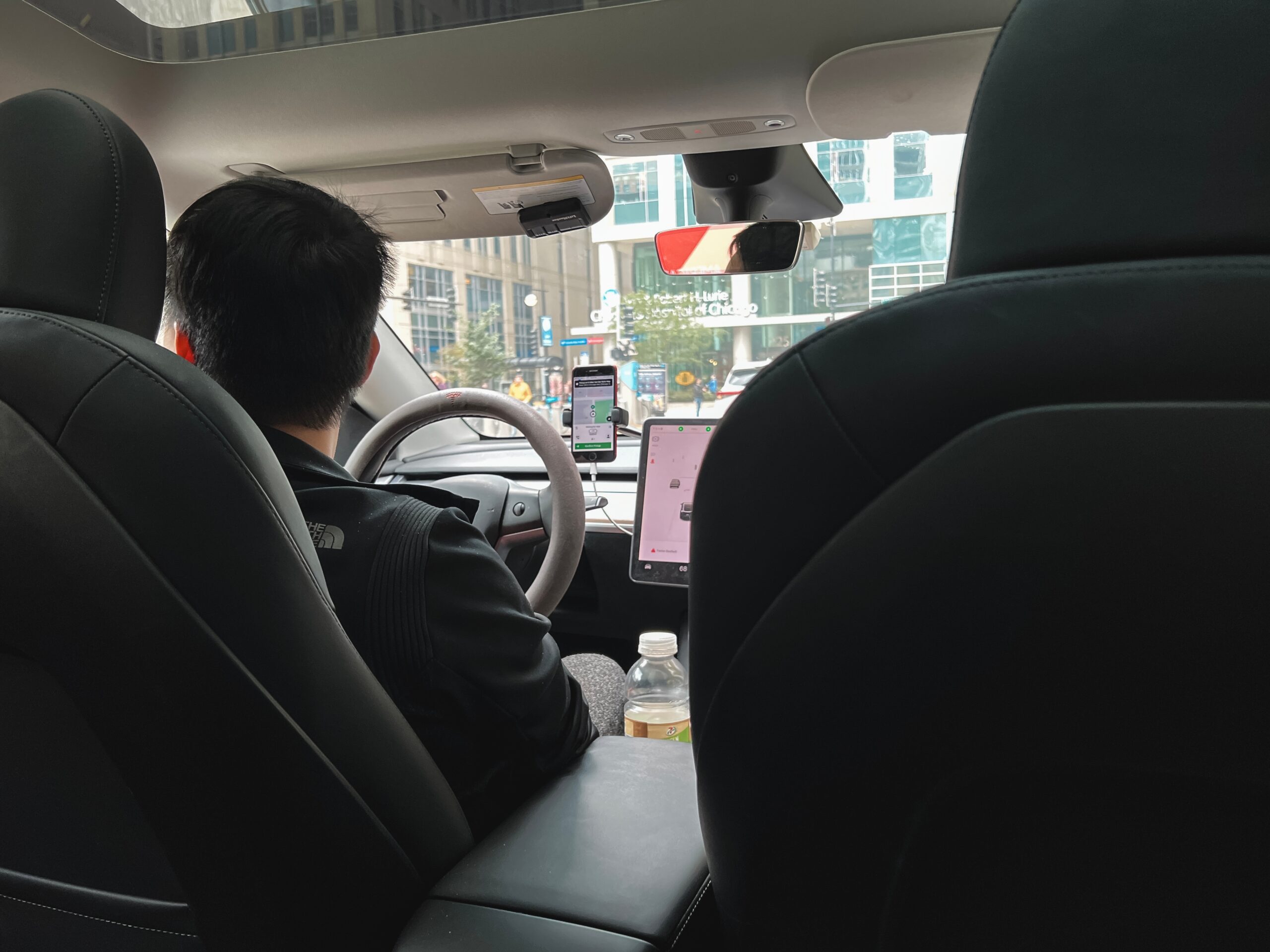
- Document Your Experience and Injuries. Start a simple journal. Write down everything you remember about the accident. Each day, make notes about your pain levels, any physical limitations, and how the injuries are affecting your daily life. For instance, note if you can no longer take your dog for a walk along the Tony Knowles Coastal Trail or if the pain makes it hard to sleep through the night. Take photos of your injuries as they heal to create a visual record.
- Keep All Your Paperwork. Create a folder for everything related to the accident. This includes your ride receipt from the Uber or Lyft app, the police report number, medical bills, receipts for prescriptions, and any letters you receive from insurance companies. Staying organized will help you keep track of your expenses.
- Report the Crash Through the App. Both Uber and Lyft have a process for reporting an accident directly through their mobile apps. Go to your ride history, select the trip where the accident occurred, and look for the option to report a safety issue or crash. When you report it, stick to the basic facts of what happened without guessing about who was at fault or how badly you were hurt.
- Follow All Medical Advice. It is incredibly important to attend all follow-up appointments with your doctor, go to physical therapy sessions, and take any prescribed medications. Following your treatment plan shows the insurance company that you are taking your recovery seriously. Gaps in medical care can be used by adjusters to argue that your injuries were not significant.
Taking these organized steps provides a solid foundation for your claim and helps demonstrate the true impact the accident has had on your life.
What Kind of Compensation Can You Recover in Uber & Lyft Accident Claims?
If you were injured because of someone else’s carelessness in a rideshare crash, you have the right to seek compensation for your losses. In legal terms, these losses are called “damages.” Damages are meant to help you get back to the position you were in before the accident occurred. They are typically separated into two main categories.
Economic Damages
These are the losses that have a clear price tag. They are tangible costs that can be calculated from bills and receipts.
- Medical Expenses: This covers everything from the initial ambulance ride and emergency room visit to future surgeries, physical therapy, and medication costs.
- Lost Wages: If you had to miss work while recovering, you can be compensated for the income you lost.
- Loss of Earning Capacity: If your injuries are permanent and prevent you from returning to your previous job or earning the same amount of money, you may be able to recover compensation for this future loss.
- Property Damage: This would cover the cost of repairing or replacing any personal items damaged in the crash, such as a laptop or phone.
Non-Economic Damages
These are for losses that are real but don’t come with an invoice. They are meant to compensate you for the personal, human cost of the injury.
- Pain and Suffering: This compensates you for the physical pain, discomfort, and emotional distress caused by the accident and your injuries.
- Loss of Enjoyment of Life: If your injuries stop you from participating in hobbies and activities you once loved, like skiing at Alyeska Resort or fishing on the Kenai River, you can be compensated for this loss.
It’s also important to know that Alaska follows a rule called “pure comparative fault.” Under this rule, you can still recover damages even if you were partially responsible for the accident. However, your total compensation award will be reduced by your percentage of fault.
Common Mistakes to Avoid When Filing a Rideshare Accident Claim
The time following a car crash can be stressful, and it’s easy to make mistakes that could hurt your ability to get fair compensation. Insurance adjusters, even friendly ones, work for the insurance company, and their job is to protect their employer’s bottom line. Being aware of common pitfalls can help you protect your claim.
- Giving a Recorded Statement Without Preparation: An insurance adjuster will likely call you soon after the accident and ask to record your statement. It is often best to decline this request until you have had a chance to think clearly or speak with an attorney. They are trained to ask questions that might lead you to say something that downplays your injuries or suggests you were at fault.
- Accepting the First Settlement Offer: Insurance companies often make a quick, low offer to settle a claim. They hope you are worried about medical bills and will take the money without realizing the full extent of your damages. A serious injury can have long-term costs, and a fast settlement may not cover them.
- Posting About the Accident on Social Media: Be very careful about what you post online after a crash. Insurance investigators will review your social media profiles. A photo of you smiling at a family barbecue or a post about going on a short walk could be taken out of context and used to argue that your injuries are not as severe as you claim. It’s safest to avoid posting about the accident or your recovery at all.
- Waiting Too Long to Seek Medical Care: If you don’t feel pain immediately after a crash, you might think you’re fine. However, some serious injuries, like whiplash or internal injuries, can take hours or even days to show symptoms. Delaying medical treatment not only puts your health at risk but also gives the insurance company an opening to claim that your injuries were caused by something else.
Avoiding these common errors can help keep your claim on the right track and preserve your right to fair compensation.
How a Personal Injury Lawyer Can Help with Your Claim
Handling the details of rideshare accident claims can be a heavy burden when you’re trying to recover from an injury. The layers of insurance and the number of parties involved—your driver, other drivers, and the rideshare company—make these cases particularly tricky. This is where an experienced personal injury attorney can provide valuable support.
A lawyer can take on the challenges of your case so you can focus on getting better. Their role often includes:
- Investigating the Crash: A legal team will work to gather all available evidence. This can involve obtaining the police report, interviewing witnesses, collecting photos and videos from the scene, and securing electronic data from the rideshare company to prove the driver’s status at the time of the collision.
- Managing Communications: A lawyer acts as your representative, handling all phone calls, emails, and letters from the various insurance companies involved. This prevents you from saying anything that could be used against you and frees you from the stress of constant contact with adjusters.
- Calculating the Full Value of Your Claim: It can be difficult for an injured person to know what their claim is truly worth. An attorney works with medical and financial professionals to understand the full, long-term impact of your injuries. They will account for future medical needs, lost earning potential, and the non-economic costs of your pain and suffering.
- Meeting Critical Deadlines: In Alaska, there is a time limit for filing a personal injury lawsuit. This is called the statute of limitations. In Alaska, you generally have two years from the date of the injury to file a claim. An attorney will make sure all legal deadlines are met.
- Fighting for a Fair Outcome: Most personal injury cases are settled out of court. A lawyer will negotiate with the insurance company on your behalf to reach a fair settlement. If the insurance company refuses to make a reasonable offer, your attorney can be prepared to take your case to court to fight for the compensation you are owed.
Having a knowledgeable advocate on your side levels the playing field and sends a clear message to the insurance companies that you are serious about your claim.
FAQs about Uber & Lyft Accident Claims
Here are answers to some common questions that come up after a rideshare accident.
What happens if the Uber or Lyft driver was not the one at fault for the accident?
If another driver caused the crash, you would typically first file a claim against that driver’s insurance policy. If that driver is uninsured or does not have enough insurance to cover your injuries, you may be able to make a claim under the uninsured/underinsured motorist (UM/UIM) coverage provided by Uber or Lyft’s policy, assuming you were a passenger at the time.
Can I file a claim if I was a pedestrian or cyclist hit by a rideshare driver?
Yes. If you were hit by a rideshare driver, you have the right to file a claim. The insurance coverage that applies will depend on which phase the driver was in at the time of the incident—whether they were waiting for a ride, on their way to a pickup, or had a passenger.
What is the difference between an Uber/Lyft claim and a taxi accident claim?
The main difference is the insurance structure. Taxis are typically owned by a company and covered by a single commercial insurance policy at all times. Rideshare vehicles are owned by the drivers, so the insurance coverage is a hybrid system that shifts between the driver’s personal policy and the company’s policy depending on the driver’s app status.
Do I have to sue Uber or Lyft directly to get compensation?
In most cases, you do not sue the company itself. The claim is typically filed with their insurance provider. The goal is to reach a settlement that covers your damages without needing to go to court. A lawsuit is usually a last resort if a fair settlement cannot be reached through negotiations.
How long does it take to settle a rideshare accident claim in Alaska?
The timeline can vary greatly depending on the complexity of the case and the severity of your injuries. A simple case might settle in a few months, while a more serious one could take a year or longer. It’s important to be patient with the process to ensure you receive a settlement that truly covers all of your losses, both now and in the future.
Stay Calm. Stay Cool. Call Crowson.
A rideshare accident can turn your life upside down in an instant. While you focus on your physical recovery, the financial and emotional stress can build. You don’t have to face this difficult situation by yourself. The compassionate team at Crowson Law Group—your trusted Anchorage, AK, personal injury lawyer—is here to help injured Alaskans get their lives back on track.

We understand the unique challenges of Uber & Lyft accident claims. Our team is responsive, available, and easy to talk to. We will listen to your story, answer your questions in plain English, and explain your options. We are dedicated to giving our clients a good experience and will work tirelessly to get you the full and fair compensation you need. From Anchorage to Wasilla and across the state, we are here for you.
For a free, no-obligation consultation to discuss your case, please call Crowson Law Group today at (907) 418-3116 or visit our contact page. We have someone available to take your call 24 hours a day, 7 days a week, because we know that you need help now.