A drunk driving crash goes beyond the criminal case. If an impaired driver injured you or someone in your family on the Parks Highway, Palmer-Wasilla Highway, or anywhere in the Mat-Su Valley, a separate legal process exists for pursuing financial recovery.
The Wasilla drunk driving accident lawyers at Crowson Law Group help injured Alaskans understand that process and take informed steps forward.
Many people assume a DUI arrest settles everything. It does not. The criminal case addresses penalties against the driver. Your medical bills, lost income, and pain from the crash fall under a civil injury claim. That claim involves insurance companies, evidence disputes, and deadlines that move independently of any criminal proceedings.
Our Wasilla office serves clients across the Mat-Su Valley, from Palmer to Big Lake to Meadow Lakes. Call 907-777-7777 for a free consultation to discuss your situation and learn what options may be available.
Why Choose Crowson Law Group for Your Wasilla Drunk Driving Accident Claim?

Attorney James Crowson started his career on the other side of these cases. Before founding Crowson Law Group, he defended insurance companies and healthcare providers. That background gives our team practical insight into how insurers evaluate, challenge, and attempt to minimize injury claims.
What Makes Our Approach Different?
We know how insurance adjusters build their files because we once helped build them. That perspective shapes how we prepare claims, anticipate disputes, and push back against lowball offers. Every case is different, and results vary based on the facts. But understanding the insurer's playbook matters in every drunk driving injury claim.
How Does Crowson Law Group Support Clients Throughout the Process?
Crowson Law Group has served Alaska residents since 2011. We offer free consultations and make ourselves available around the clock by phone, text, or through our client portal, My Crowson Case. If travel is difficult because of your injuries, we come to you. Our team handles cases across the entire state, with offices in both Wasilla and Anchorage.
Reach us at 907-777-7777. There is no fee unless we recover compensation on your behalf.
Does a DUI Arrest Prove Liability in a Civil Injury Claim?
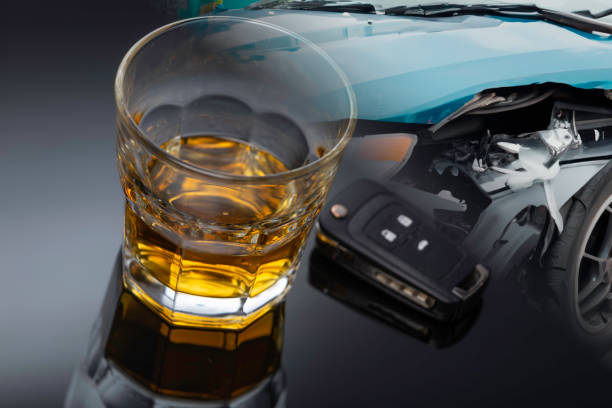
A DUI arrest does not automatically prove liability. An arrest is strong evidence, but it does not resolve a civil injury claim on its own. The criminal case and the civil case operate under different rules, different standards of proof, and different goals.
In a criminal DUI prosecution, the state must prove impairment beyond a reasonable doubt, the highest legal standard. A civil injury claim uses a lower standard called "preponderance of the evidence." That means you must show it is more likely than not that the other driver's negligence caused your injuries.
How Are Criminal and Civil Cases Connected?
A DUI conviction or guilty plea may support your injury claim. It demonstrates that the driver was impaired. But the conviction alone does not establish how much compensation you may recover or even confirm which injuries resulted from the crash.
Insurance companies often dispute medical causation, treatment costs, and the severity of claimed losses regardless of what happened in criminal court.
What If the Driver Is Not Convicted?
A dismissed or reduced criminal charge does not prevent you from filing a civil claim. The evidence standards differ. Breathalyzer results, field sobriety observations, toxicology reports, and witness testimony may still support your case in civil court, even without a conviction.
What Compensation May Be Available After a Drunk Driving Crash in Alaska?
Alaska law allows injured individuals to pursue both economic and non-economic damages after a drunk driving accident. The specific amount depends on the facts of the crash, the severity of injuries, and available insurance coverage.
A drunk driving crash often creates losses that extend far beyond the initial medical bills. Alaska law allows injured people to pursue compensation for several types of financial and personal harm:
- Medical expenses: Hospital visits, surgeries, rehabilitation, prescription costs, and ongoing treatment related to crash injuries
- Lost income: Wages missed during recovery, including sick time and vacation days used because of the injury
- Future medical costs: Projected treatment, therapy, or assistive devices for long-term or permanent injuries
- Pain and suffering: Physical pain, emotional distress, anxiety, and reduced quality of life following the crash
- Loss of earning capacity: Reduced ability to work at pre-crash levels due to lasting physical limitations
These categories overlap in many cases. For example, a back injury treated at Mat-Su Regional Medical Center may require both immediate surgery and years of physical therapy. A thorough claim accounts for both current and future losses. Our Wasilla drunk driving accident attorneys help clients document these losses so nothing is overlooked.
Why Do Insurance Companies Still Dispute DUI Injury Claims?
Even when the other driver was arrested, charged, or convicted, insurance companies often push back on injury claims. The adjuster may seem cooperative at first. But their role is to pay as little as possible to close the file.
What Tactics Do Insurers Use After a Drunk Driving Crash?
Insurance companies separate the question of fault from the question of damages. Even if liability seems clear, disputes often arise in several areas. These are some of the most common tactics used to reduce the value of a DUI injury claim:
- Questioning medical causation: The insurer may argue that your injuries existed before the crash or resulted from something unrelated
- Disputing treatment necessity: Adjusters sometimes claim that certain procedures, imaging, or therapy sessions were excessive
- Delaying the process: Slow responses, repeated document requests, and drawn-out reviews pressure claimants into accepting lower offers
- Offering early settlements: A quick offer often arrives before the full extent of injuries is known, and accepting it may close the door to additional recovery
Understanding these tactics matters. Having an attorney who has seen them from the inside, as our team has, changes the dynamic of how your claim is handled.
If an insurance company is already contacting you about a drunk driving crash in Wasilla or the Mat-Su Valley, call 907-777-7777 before accepting any offer or signing any paperwork.
What Steps Help Protect a Drunk Driving Injury Claim?
Preserving records, documenting losses, and securing evidence often provide the strongest protection for a drunk driving injury claim. These steps focus on building a clear record that supports the civil claims process.
How Do You Build a Strong Evidence File?
Request a copy of the police report from the Wasilla Police Department or Alaska State Troopers. Keep every medical record, bill, and receipt connected to the crash. Save pay stubs or employer letters showing missed work.
Photograph vehicle damage, visible injuries, and the crash location if possible. Write down details about the accident while they are fresh. Save any communications from the other driver's insurance company without responding to them first.
Why Does Timing Matter?
Under Alaska Statute 09.10.070, most personal injury claims carry a two-year filing deadline from the date of the crash. Missing this deadline generally bars the claim entirely. Two years may seem like a long window, but building a strong case takes time. Medical treatment, evidence gathering, and insurance negotiations all require months of work.
Starting the process early gives your attorney time to investigate, document, and negotiate before the deadline applies pressure.
How Does Alaska's Fault System Affect a Drunk Driving Accident Claim?
Alaska follows a pure comparative fault system. This means that even if you share some percentage of fault for the crash, you may still recover compensation. Your recovery is reduced by your percentage of responsibility.
Here is how that works in practice: Say a drunk driver ran a red light and hit your vehicle, but you were driving five miles over the speed limit at the time. A jury might assign 10% fault to you and 90% to the impaired driver. If your damages total $200,000, your recovery would be reduced to $180,000.
Why Does Comparative Fault Matter in DUI Cases?
Insurance companies sometimes raise comparative fault arguments even in drunk driving cases. They may point to your speed, lane position, or reaction time. The goal is to shift a portion of responsibility onto you and reduce the payout.
This is one reason why a DUI arrest does not automatically guarantee a clean path to compensation. An attorney familiar with these tactics may help counter fault-shifting arguments with evidence from the crash scene, witness statements, and accident reconstruction analysis.
Do You Need a Lawyer After a Wasilla DUI Accident?
No law requires you to hire an attorney, but drunk driving injury claims often involve complications that make legal representation valuable.
The criminal case creates a parallel legal track that affects timing, evidence availability, and insurance strategy. The at-fault driver's insurance company has attorneys and adjusters working to protect their financial interests. Handling medical treatment, employment disruptions, and an insurance claim at the same time is difficult when you are also recovering from injuries.
A Wasilla drunk driving accident lawyer at Crowson Law Group may help by gathering evidence tied to the criminal case, communicating with insurance adjusters, calculating the full scope of losses, and filing the civil claim within Alaska's two-year deadline.
Hiring an attorney is a personal decision. We offer free consultations so you may ask questions before making that choice. Call 907-777-7777 to talk through your situation.
Drunk Driving Risks on Mat-Su Valley Roads
Impaired driving crashes happen throughout the Mat-Su Borough, particularly along high-traffic corridors.
The Parks Highway between Wasilla and Houston sees heavy traffic year-round, with limited lighting in many stretches. The Palmer-Wasilla Highway connects two of the valley's busiest communities, and Knik-Goose Bay Road carries commuters through areas with few controlled intersections.
Alaska's long winter nights and icy conditions add risk. Reduced daylight hours from October through March coincide with holiday gatherings and events where alcohol is present. Alaska consistently ranks among states with higher rates of impaired driving fatalities per capita.
The Matanuska-Susitna Borough covers a vast geographic area. Distances between communities mean longer response times and longer drives, both of which increase exposure to impaired drivers on rural stretches of road.
FAQs for Wasilla Drunk Driving Accident Claims
Does Alaska allow punitive damages in drunk driving cases?
Yes. Alaska law permits punitive damages when the at-fault party's conduct is especially reckless. Driving while impaired may meet that threshold.
Punitive damages go beyond compensating for losses; they are intended to punish the wrongdoer and discourage similar behavior. Whether punitive damages apply depends on the specific facts of the case and the evidence of impairment.
What happens if the drunk driver had no insurance?
Uninsured motorist (UM) coverage on your own auto policy may provide a path to recovery. Alaska does not require UM coverage, but many policies include it. Filing a UM claim involves your own insurance company, and disputes over coverage and damages are still common. Reviewing your policy with an attorney may help clarify available options.
What if I was a passenger in the drunk driver's vehicle?
Passengers injured in a drunk driving crash may file injury claims against the appropriate insurance policies. As a passenger, you are generally not at fault for the crash.
A claim may be filed against the impaired driver's liability insurance, your own UM coverage, or both, depending on the circumstances. Passengers often have strong claims because fault-sharing arguments rarely apply.
How do breath test refusals affect an injury claim?
A breath test refusal does not eliminate evidence of impairment. Field sobriety observations, officer testimony, toxicology results from blood draws, witness accounts, and video footage may still support an injury claim. The refusal itself may also carry weight in a civil case, as a jury may draw its own conclusions about why the driver declined testing.
Taking the Next Step After a Wasilla Drunk Driving Crash

Being injured by an impaired driver raises questions that the criminal justice system alone does not answer. Medical bills, lost wages, and the physical toll of recovery are separate problems that require a separate legal path.
Crowson Law Group offers free consultations to help you understand your options. We take cases on a contingency fee basis, which means there is no upfront cost and no fee unless we recover compensation for you. Our passion is helping Alaskans who are in tough situations because of someone else's carelessness.
Do not feel intimidated by the legal process. Call 907-777-7777 to speak with a Wasilla drunk driving accident lawyer who may help you move forward.