Car accident claims in the Mat-Su Valley often become more complicated than injured drivers expect. Winter road conditions, comparative fault arguments, and an insurer's own read of the evidence can turn a straightforward crash into a disputed claim.
A Wasilla car accident lawyer at Crowson Law Group helps injured Alaskans manage those challenges by preserving evidence early, managing insurer communications, and building claims designed to withstand fault disputes from the start. Attorney James Crowson spent the early part of his career defending insurance companies before shifting to represent injured Alaskans, and that background shapes how our team approaches every case.
Call our office at 907-777-7777 so we can listen to your story and talk through what options you actually have.
What Should I Do After a Car Accident in the Mat-Su Valley?
After a car accident in the Mat-Su Valley, focus on getting medical care, documenting what happened, and preserving information that may help explain how the crash occurred. Roads throughout Wasilla, Palmer, and surrounding communities can involve unique conditions, including winter weather, highway traffic, and longer distances between services, making early documentation especially important.
Build the Medical Record Early
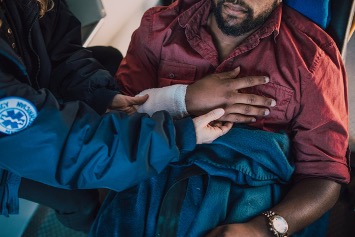
Get seen promptly, because the visit is what dates your injury to the crash. Do not treat the first day as the final word on whether you were hurt. That record is what connects your treatment to the accident later.
Keep the record unbroken after that first visit. Gaps in treatment or missed appointments may create questions about your injuries and recovery, so keeping track of your care can help provide a clearer picture of what you experienced.
Report the Accident and Document the Scene
Alaska requires a report when there is injury, death, or apparent property damage of $2,000 or more. If a peace officer investigates, that covers it.
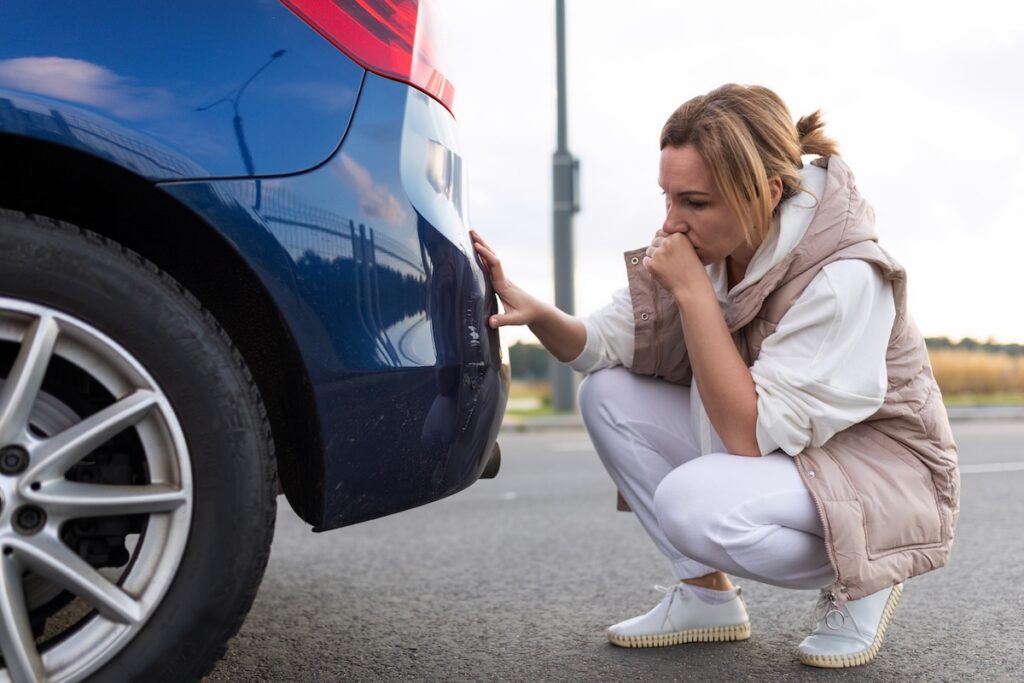
If none responds, which happens often on rural roads out here, you file it yourself with the DMV within 10 days. The report may contain information about the drivers involved, road conditions, and initial observations about the collision.
If you are able, take photographs of the vehicles, damage, roadway, weather conditions, traffic signs, and anything else that may help explain what happened. Collect contact information from witnesses who saw the crash.
Be Careful When Speaking With Insurance Companies
In most cases, insurers will contact you soon after an accident to ask questions about what happened. While you may need to report the collision, avoid making assumptions about fault or the complete scope of your injuries before you understand the situation.
Adjusters review claims based on the information available in the file. Statements made early in the process may become part of that evaluation, which is why it can help to understand your options before discussing details of your claim.
Keep Records Related to the Crash
Save documents connected to the accident, including:
- Medical bills and treatment records
- Vehicle repair estimates and invoices
- Insurance communications
- Records showing missed work or lost income
- Photos and videos from the crash scene
These records can help show how the crash affected your health, finances, and daily life.
If you are unsure how to handle the insurance process or whether you may have a claim, talking it through with us can tell you what steps are actually available. Each accident depends on its own facts, including who was involved, what evidence exists, and how the insurance companies evaluate responsibility.
Why Should I Hire a Local Lawyer for a Wasilla Car Accident?
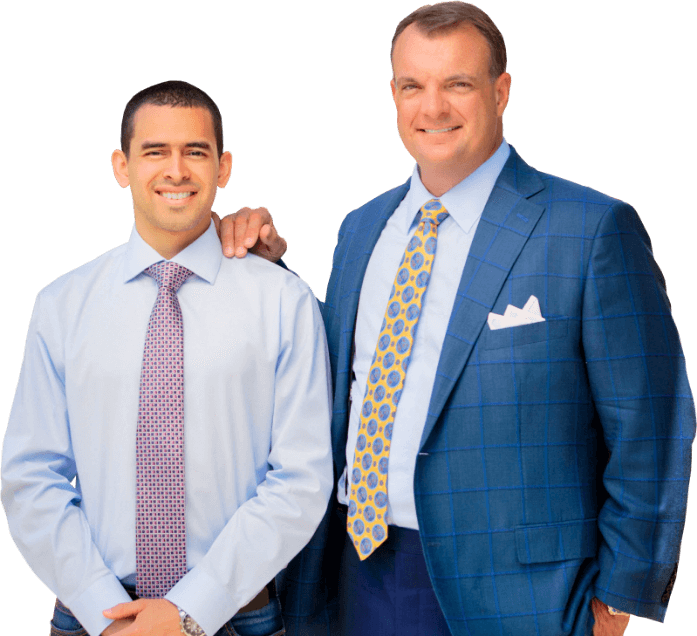
You do not have to hire a lawyer located in Wasilla after a car accident, but working with a Mat-Su car accident attorney who understands the area can provide practical advantages. A lawyer familiar with the Parks and Glenn Highways, Mat-Su Valley communities, local driving conditions, and the challenges created by seasonal weather may have a better understanding of the factors that can affect how a claim is reviewed.
Local knowledge can also help when evaluating the details of a crash. A collision on a rural highway, a busy intersection in Wasilla, or a route frequently used by commuters may involve different evidence and circumstances that need to be considered when determining fault and damages.
Crowson Law Group maintains an office in Wasilla to make legal assistance more accessible for residents throughout the Mat-Su Valley. Whether your accident happened near Wasilla, Palmer, or along a nearby highway corridor, our team can explain the claims process and communicate with insurance companies.
If you are looking for a car crash lawyer in Wasilla, we can explain the claims process and handle the insurance companies. Call our Wasilla office at 907-777-7777.
Local Conditions That Shape a Mat-Su Valley Claim
Car accident claims in Wasilla and the Mat-Su Valley can involve circumstances that are different from crashes in more densely populated areas. The region’s highways, seasonal weather changes, rural roads, and mix of local commuters and commercial traffic can all affect how collisions happen and how a claim is evaluated.
Understanding these local factors can help explain why evidence, fault, and insurance coverage may require careful review after a crash.
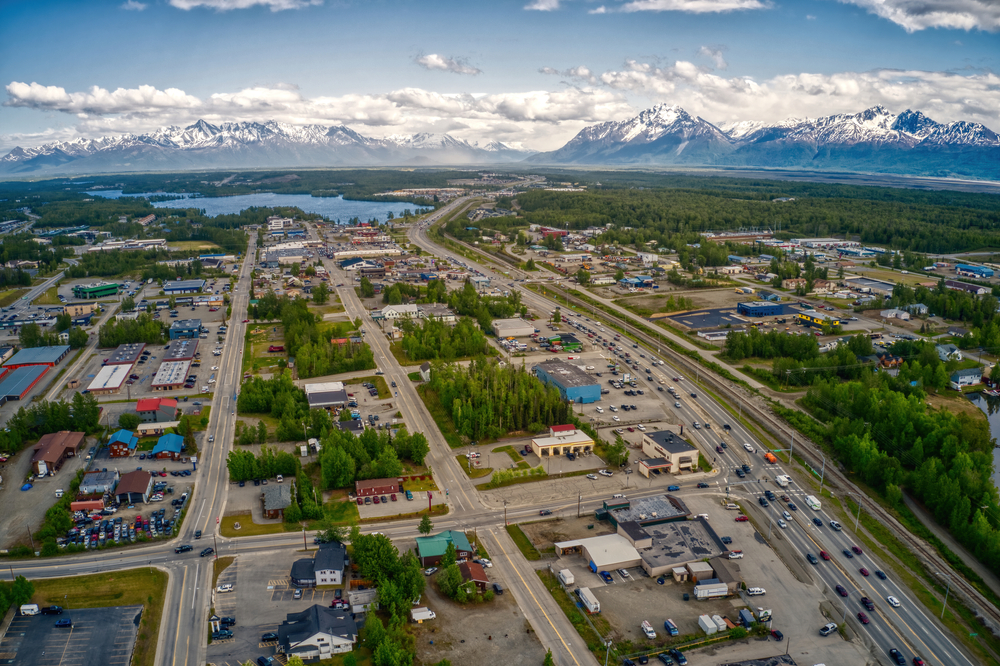
Glenn Highway and Parks Highway Traffic Patterns
The Glenn Highway and Parks Highway are major routes connecting the Mat-Su Valley with Anchorage and other parts of Alaska. Thousands of residents use these roads for daily commuting, while commercial vehicles, recreational travelers, and visitors share the same routes.
High-speed collisions on these highways can result in significant injuries because of the distances involved and the conditions surrounding the crash. Factors such as traffic volume, visibility, weather, and roadway design may all become relevant when determining how an accident occurred. A crash on a rural road leaves fewer witnesses and fewer cameras than the same crash on a Wasilla street, which is why early documentation carries more weight out here.
Local Traffic Includes Commercial and Recreational Vehicles
The Mat-Su Valley experiences a mix of passenger vehicles, commercial trucks, recreational vehicles, and seasonal traffic. Collisions involving different types of vehicles may require reviewing additional factors, including vehicle size, road position, and the actions of each driver involved.
We can review how local conditions may have contributed to a crash and explain how those factors may affect the insurance claim process. Schedule a free consultation today to speak with a team that understands Alaska accident claims, insurance company practices, and the challenges that can come with crashes on local roads.
How Do Alaska Driving Conditions Complicate Car Accident Claims?
Car accidents in the Mat-Su Valley often involve road and weather conditions that insurers use to dispute liability. Black ice, snow-packed intersections, and reduced winter daylight can make it harder to point out exactly how a crash occurred. Rural stretches of the Parks Highway and Glenn Highway add high-speed traffic, limited passing visibility, and delayed emergency response after serious collisions.
We know what insurers argue when weather is involved. Drivers in Wasilla regularly deal with:
- Black ice and extended winter braking distances
- Snow berms that block visibility at intersections
- Moose crossings on rural highways
- Tourism traffic unfamiliar with Alaska roads
- Remote stretches where help may take longer to arrive
Expect the argument that conditions caused the crash and that fault should shift onto you. We can help take the right steps early to protect against those arguments and create a clearer picture of what actually happened. Icy roads do not automatically excuse the driver who caused the crash, because Alaska drivers are expected to adjust speed and following distance for conditions.
The Alaska Car Accident Claim Process
Sharing some blame does not end a claim here. Alaska uses pure comparative fault under Alaska Statute 09.17.060, which reduces recovery by your percentage of responsibility but never bars it. A driver found 20 percent at fault still recovers 80 percent of their damages, and there is no cutoff percentage at which recovery stops.
A car accident claim in Alaska generally begins when an injured person seeks compensation through the at-fault driver’s liability insurance. The insurance company then reviews information such as the accident report, medical records, vehicle damage, and other available evidence before deciding whether to make a settlement offer.

Although the process may appear straightforward, insurance companies evaluate claims carefully and look for information that affects how they value the case. Adjusters may review the timing of medical treatment, whether the documentation is consistent, and what the file shows about earlier claims.
An insurer may question whether an injury came from the accident, whether certain treatment was necessary, or whether another factor contributed to the losses. These reviews are part of how insurance companies assess claims, and understanding what they look for can help injured individuals make informed decisions throughout the process.
If your crash involved an impaired driver, however, the case may follow a somewhat different path, since drunk driving crashes in Wasilla may involve additional evidence such as blood alcohol testing and criminal proceedings that run alongside the civil claim. We handle both, and we can explain how your circumstances change the process.
We can review the available evidence, explain how Alaska's insurance rules apply, and provide guidance when an insurer questions fault, injuries, or the value of a claim. If you are unsure how the insurance company is evaluating your claim, call Crowson Law Group today to discuss your accident and understand your options.
How Much Compensation Can I Receive in a Wasilla Car Accident Claim?
No two car accident claims have the same outcome. The value of a claim depends on the injuries involved, the available evidence, the insurance coverage that applies, and how the accident has affected the person’s life. Under Alaska law, injured individuals may be able to pursue recovery for both monetary losses and personal impacts related to the crash.
Several factors can influence what a claim may be worth, including:
- Injury severity and treatment duration: This plays the largest role, since claims involving extended treatment or permanent limitations carry higher documented costs.
- Lost income and reduced earning ability: The amount of compensation should account for income missed during recovery and any long-term impact on the ability to work.
- Pain, discomfort, and changes to daily life: A car accident can affect more than finances, especially when injuries interfere with normal activities, sleep, mobility, hobbies, or personal routines. The extent of these effects may be considered alongside the economic losses caused by the collision.
- Available insurance coverage: The insurance policies involved can influence how a claim is handled and what sources of recovery may be available. Coverage limits, applicable policies, and the circumstances of the accident all play a role in evaluating the claim.
Building a claim requires more than identifying losses. Supporting documentation helps create a clearer picture of the accident's impact on your health, finances, and daily life. We can review the evidence and explain how these factors apply to your situation.
FAQs: Wasilla Car Accident Lawyer
Here are answers to some of the questions we hear mostly from people considering a car accident claim in the Mat-Su Valley.
How long do you have to file a car accident claim in Alaska?
The statute of limitations is the legal deadline to file a lawsuit. In Alaska it is two years from the date the claim accrues, under Alaska Statute 09.10.070, which is usually the crash date but not always. Claims involving a government vehicle or a road defect can carry much shorter written notice deadlines, so tell us early if one may be involved.
What if the other driver denies fault for the crash?
Fault is determined by evidence, not by what either driver claims. Police reports, witness statements, traffic camera footage, and crash-scene photographs all help establish what happened, and an adjuster's initial fault determination is not final and may be challenged with supporting documentation.
How are medical bills handled during a car accident claim?
Medical providers generally expect payment regardless of whether a legal claim is pending. Health insurance, MedPay coverage, or payment plans with providers are common ways to manage costs during the process. We can explore the available coverage options to help you secure a timely and fair outcome for your car accident injuries.
What if the crash happened in bad weather?
Weather is a fact about the road, not a defense. Alaska drivers are expected to adjust speed and following distance for conditions, so a driver who could not stop on ice is often the one who was going too fast for it. Expect the argument and expect to answer it with evidence.
What if the other driver had no insurance?
Your own uninsured motorist coverage may respond, and underinsured coverage can apply when their limits fall short of your losses. Many Alaska drivers carry both without realizing it. Check your declarations page before assuming nothing is available.
Talk to a Wasilla Car Accident Lawyer

The questions piling up after a car accident do not get easier to answer with time. Deadlines move forward, evidence fades, and the bills keep arriving.
We handle car accident claims across Alaska, and our Wasilla office keeps that work close to the people it serves. Whether your crash happened on the Parks Highway, at a Wasilla intersection, or on a rural road outside Palmer, the questions are the same: who was responsible, what evidence still exists, and what the losses actually add up to.
Our founder, James Crowson, spent the early part of his career defending insurance companies before moving to representing injured people. That is why we know what an adjuster is building toward and how early that review starts.
Please do not hesitate to call us for help with your case. We will listen to what happened and try to help even if we are unable to take on your case. Call 907-777-7777 for a free consultation.
Contact Us Today