
Alaska Dog Bite Laws Protecting Children
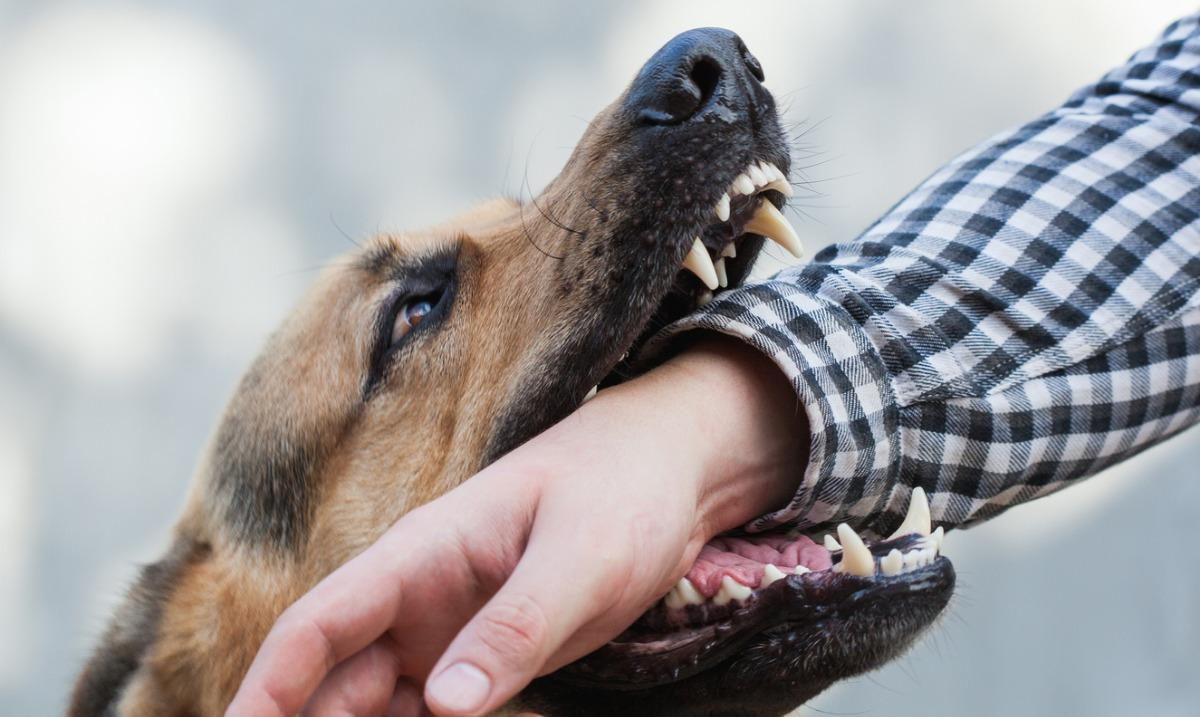
Dog bites can cause serious harm, especially to children. If your child suffers a dog bite in Alaska, you need to learn the legal implications and possible compensation. This guide explores the legal framework governing dog bites, focusing on child victims.
Legal Framework for Dog Bites in Alaska
Alaska follows the one-bite rule, meaning an owner is liable if their dog has a known dangerous propensity and the owner knew or should have known about it.
In Hale v. O’Neill (1971), the Alaska Supreme Court established that an owner is strictly liable for injuries caused by their dog if it has a vicious propensity. To prove liability, the plaintiff must show the owner knew or should have known of the dog’s dangerous tendencies and that these tendencies resulted in injury.
Negligence and negligence per se are also grounds for liability. Negligence involves proving the owner owed a duty of care, breached this duty, and caused damages.
Negligence per se applies when the owner violates a law designed to protect against the type of harm that occurred. In Sinclair v. Okata (1994), the court held that violating leash laws, for example, can be considered negligence per se.
Intentional tort involves the owner’s knowledge of the dog’s viciousness and intent to cause harm. You should prove the owner knew of the dog’s dangerous behavior. Intentional torts involve deliberate actions causing harm, with the owner intending the outcome.
Liability of Third Parties
Third parties, like landowners or management companies, can be liable if they know of a dog’s dangerous propensity and fail to act. In Alaskan Village, Inc. v. Smalley (1986), the court held landowners liable when they knew of a dangerous dog and did nothing to prevent injuries. Liability arises if they have the legal right to control the premises and fail to prevent harm.
Punitive damages may be awarded if the defendant acted with malice or reckless indifference. These damages punish the defendant and deter similar conduct. Courts consider factors like the defendant’s knowledge of the danger and their disregard for the victim’s safety.
Specific Considerations for Child Victims
According to dog bite child law in Alaska, children are vulnerable and require special legal protections. They have the right to sue for injuries, and their parents can claim medical expenses without filing a separate lawsuit. The statute of limitations is often extended for minors, allowing them more time to file a claim.
Damages in child dog bite cases include medical expenses, pain and suffering, and psychological trauma. Courts recognize the long-term impact on children and award damages accordingly. In Alaskan Village, Inc. v. Smalley, the court allowed claims for medical expenses and other damages suffered by the child.
Steps to Take Following a Dog Bite Incident
After a dog bite, immediate medical attention is crucial. Document the injuries and report the incident to local authorities. Consult a personal injury lawyer to understand your legal options. Gather evidence, including witness statements and medical records, to support your claim.
Preventive Measures and Public Awareness
Community education is vital in preventing dog bites. Programs should teach children and parents about safe interactions with dogs. Local authorities must enforce animal control policies and regulate dangerous dogs. Licensing and strict enforcement of leash laws can reduce incidents.
Understanding dog bite laws is essential, especially for protecting children. Knowing your rights and legal framework, you can seek justice and compensation. Preventive measures and public awareness can help reduce dog bite incidents, ensuring a safer environment for everyone.
Featured Image Source: https://www.istockphoto.com/photo/one-german-shepherd-bites-a-man-by-the-hand-training-and-breeding-thoroughbred-dogs-gm1182471178-332054804?utm_campaign=srp_photos_top&utm_content=https%3A%2F%2Funsplash.com%2Fs%2Fphotos%2Fdog-biting&utm_medium=affiliate&u