
What Are the Car Insurance Requirements in Alaska?
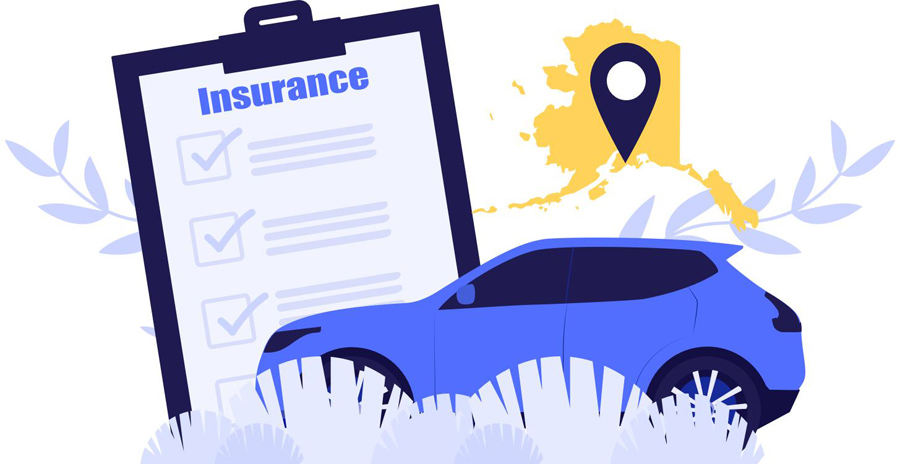
Driving in Alaska is a unique experience. Whether you’re commuting in Anchorage traffic, heading out on the Glenn Highway, or simply running errands in Wasilla, you depend on your vehicle. Because driving is such a big part of life here, it’s important to understand the rules that keep everyone on the road safer. One of the most important rules involves auto insurance. Alaska law does require every driver to carry a certain amount of car insurance, and knowing these requirements can help you protect yourself and your family financially. If you have questions after a crash, speaking with a car accident lawyer in Anchorage, Alaska, can help you understand your rights and options.
The basic idea behind car insurance requirements in Alaska is to have financial protection in place in case of an accident.
Schedule a Free Initial Consultation
Key Takeaways about Alaska Car Insurance Requirements
- Alaska law mandates that all registered vehicles have liability insurance with specific minimum coverage amounts.
- The state’s minimum requirements are $50,000 for bodily injury per person, $100,000 for bodily injury per accident, and $25,000 for property damage.
- Driving without the legally required insurance can result in serious penalties, including fines and driver’s license suspension.
- The minimum required coverage is often not enough to cover all the costs of a serious accident.
- Optional coverages like Uninsured/Underinsured Motorist (UM/UIM) and Medical Payments (MedPay) offer significant additional financial protection.
What Are the Minimum Car Insurance Requirements in Alaska?
Every state sets its own rules for car insurance, and Alaska is no exception. To legally drive a vehicle in the state, you must have liability insurance. Liability insurance is coverage that pays for the other person’s expenses if you cause an accident. It covers their medical bills and property damage, but it does not cover your own.
In Alaska, the minimum liability coverage required is often referred to as 50/100/25 coverage. Here’s what those numbers mean:
- $50,000 for Bodily Injury Liability: This is the maximum amount your insurance will pay for a single person’s injuries in an accident that you cause.
- $100,000 for Bodily Injury Liability: This is the maximum total amount your insurance will pay for all injuries in a single accident you cause if more than one person is hurt.
- $25,000 for Property Damage Liability: This is the maximum amount your insurance will pay for damage you cause to someone else’s property, such as their car, a fence, or a building.
These are the absolute minimums you need to drive legally in Alaska. Think of them as the starting point for your financial protection on the road.
Why Alaska’s Minimums Might Not Be Enough
While meeting the state’s minimum car insurance requirements in Alaska keeps you legal, it may not be enough to fully protect you financially after a serious crash. Modern vehicles are expensive to repair or replace, and medical care costs can rise quickly.
Imagine you are in an accident in Anchorage that is determined to be your fault. The other car, a new truck, is totaled, and its value is $45,000. Your $25,000 property damage limit won’t cover the full cost, leaving you personally responsible for the remaining $20,000. Now, consider the people in that truck. If one person suffers serious injuries, their medical bills could easily surpass the $50,000 bodily injury limit.
When the costs of an accident exceed your insurance policy’s limits, the other party can pursue your personal assets to cover the difference. This could include your savings, your home, and even future wages. Opting for higher liability limits—such as 100/300/50 or more—can provide a much stronger safety net and greater peace of mind for a relatively small increase in your premium.
Understanding Additional Car Insurance Options in Alaska
Beyond the required liability coverage, insurance companies offer several other types of protection. These optional coverages are designed to cover your own expenses and fill in the gaps left by a basic policy. For many Alaskan drivers, these add-ons are essential for true financial security.

Here are some of the most common and beneficial optional coverages:
- Uninsured/Underinsured Motorist (UM/UIM) Coverage: This is one of the most important coverages you can buy. It protects you if you are hit by a driver who has no insurance at all (uninsured) or not enough insurance to cover your bills (underinsured). The Insurance Research Council estimates that about 1 in 7 drivers nationwide is uninsured. If one of them injures you, your UM/UIM coverage steps in to pay for your medical expenses and lost wages.
- Medical Payments (MedPay): This coverage helps pay for your and your passengers’ medical bills after an accident, regardless of who was at fault. It can cover things like health insurance deductibles, co-pays, ambulance rides, and dental care. MedPay provides quick access to funds for medical treatment without waiting for a fault determination.
- Collision Coverage: This pays to repair or replace your own vehicle after an accident with another car or object (like a guardrail or a telephone pole). If you have a loan or lease on your car, your lender will likely require you to carry collision coverage.
- Comprehensive Coverage: This covers damage to your car from things other than a collision. Common examples in Alaska include hitting a moose, damage from a hailstorm, a cracked windshield from a rock on the highway, theft, or vandalism.
Adding these coverages creates a more complete shield against the many financial risks of driving. It’s always a good idea to talk with your insurance agent about what combination of coverages and limits makes the most sense for your situation.
What Happens If You Drive Without Insurance in Alaska?
Because the state mandates car insurance, the penalties for driving without it are serious. The state has an electronic database to track insured vehicles, so it is easier than ever for law enforcement to identify uninsured drivers.
If you are caught driving without meeting the minimum car insurance requirements in Alaska, you could face a number of consequences.
- License Suspension: The State of Alaska can suspend your driver’s license for 90 days for a first offense and for a full year for subsequent offenses within a 10-year period.
- Fines: You can be fined hundreds of dollars for driving without proof of insurance.
- Vehicle Impoundment: Your vehicle could be impounded, leading to towing and storage fees that you must pay to get it back.
- Personal Financial Ruin: The biggest risk comes if you cause an accident. Without insurance, you are personally responsible for every dollar of damage and every medical bill you cause. This can lead to overwhelming debt and financial hardship for years to come.
These penalties are in place because uninsured drivers create risks for everyone. Carrying the proper insurance is not just about following the law; it’s about being a responsible member of the community.
Proof of Insurance: What You Need to Carry
When you are driving, you must be able to prove that you have the required insurance coverage. The Alaska Division of Motor Vehicles (DMV) requires all drivers to carry proof of insurance in their vehicles at all times.
This proof is typically an insurance card issued by your provider, but many insurers now offer digital versions that you can store on your smartphone. If a police officer pulls you over, they will ask to see your license, registration, and proof of insurance. Failing to provide it can result in a ticket, even if you do have an active policy. It’s a good habit to check for your insurance card in your glove compartment or have it accessible on your phone before you start driving.
Being prepared with this simple document can save you a lot of hassle during a routine traffic stop.
Alaska Car Insurance Requirements FAQs
Here are answers to some common questions we hear about car insurance requirements in Alaska.
Is Alaska a “no-fault” state?
No, Alaska is a traditional “tort” or “at-fault” state. This means that the person who is legally responsible for causing an accident is also responsible for paying for the damages and injuries. This is why carrying liability insurance is so important—it’s the coverage that pays for the other party’s losses when you are at fault.
Does my car insurance cover me if I’m driving a friend’s car?
In most cases, car insurance follows the vehicle, not the driver. If you borrow a friend’s car with their permission and they have insurance, their policy would typically be the primary coverage in an accident. However, your own policy might act as secondary coverage if the damages exceed its policy limits. It’s always best to confirm with both insurance companies before borrowing a car.
What if the other driver in my Anchorage accident says they have insurance but won’t provide the information?
If you are in an accident, you should always try to exchange information, including names, contact details, and insurance policy numbers. If the other driver refuses, do not argue. Instead, call the police to the scene. The responding officer will create an official report and has the authority to require the other driver to provide their insurance details.
How does a car accident claim affect my insurance rates?
Filing a claim can potentially increase your insurance premiums, especially if you were at fault for the accident. The amount of the increase depends on your insurance company, your driving record, and the severity of the claim. However, you should never let the fear of a rate increase stop you from reporting an accident or filing a necessary claim.
Do I still need insurance if my car is in storage for the winter in Wasilla?
If you cancel your liability insurance, you must turn in your license plates and are not allowed to drive the vehicle at all. If you store a vehicle but want to protect it from theft, fire, or other non-driving damage, you could consider keeping comprehensive coverage active. However, to legally drive it again, you must reinstate the full liability coverage required by the state.
What happens if I am in an accident with a driver who is from out of state?
The at-fault rules still apply even if the other driver is from another state or country. Their liability insurance should cover your damages if they caused the crash. However, dealing with an out-of-state insurance company can sometimes be more complicated. This is also a situation where having your own Uninsured/Underinsured Motorist (UM/UIM) coverage is very helpful, just in case the other driver’s policy doesn’t meet Alaska’s minimums or isn’t enough to cover your injuries.
Am I covered by my insurance if I hit a moose on the highway?
Hitting a moose or another large animal is a serious and unfortunately common risk when driving in Alaska. This type of incident is not considered a collision with another vehicle. Instead, it is typically covered under the optional comprehensive portion of your auto insurance policy. If you only carry the state minimum liability insurance, the damage to your own vehicle from hitting an animal would not be covered.
Confused About Insurance After an Accident? We Can Help.
Dealing with insurance companies after a car accident can be a difficult and confusing process, especially when you are trying to recover from an injury. The adjusters work for the insurance company, and their goal is to pay out as little as possible. You need someone on your side who understands the system and is focused on your well-being. Working with experienced personal injury lawyers in Anchorage, Alaska, can help protect your rights and level the playing field.
At Crowson Law Group, our team is dedicated to helping Alaskans who have been hurt in accidents. We know how to handle the paperwork, communicate with the insurance companies, and work to get you fair compensation. We are responsive, available, and easy to talk to, and we want to provide you with a good experience during a tough time. Let us handle the details so you can focus on healing.
Stay Calm. Stay Cool. Call Crowson. Contact our Anchorage and Wasilla offices today at (907)-418-3116 or visit our contact page for a free, no-obligation consultation.