Alaska's weather, long travel distances, and remote locations can create circumstances that differ from accidents in other states. Regardless of where the car crash happened, the Alaska car accident lawyers at Crowson Law Group advise approaching the situation calmly. That way, you can make informed decisions about what to do next.
Read on to learn the best steps to take immediately after a car collision in Alaska, so you can avoid harming your future claim.
Key Takeaways
- Check for injuries and call 911 first, giving your location by highway name, mile marker, or nearest landmark.
- Alaska law requires reporting a crash that causes injury, death, or apparent property damage of $2,000 or more.
- Document the scene and exchange information before vehicles are moved and weather changes the conditions.
- Alaska generally applies a two-year statute of limitations to personal injury claims.
- An adjuster works for the insurance company, so be accurate and avoid guessing about fault or injuries.
Step 1: Check for Injuries
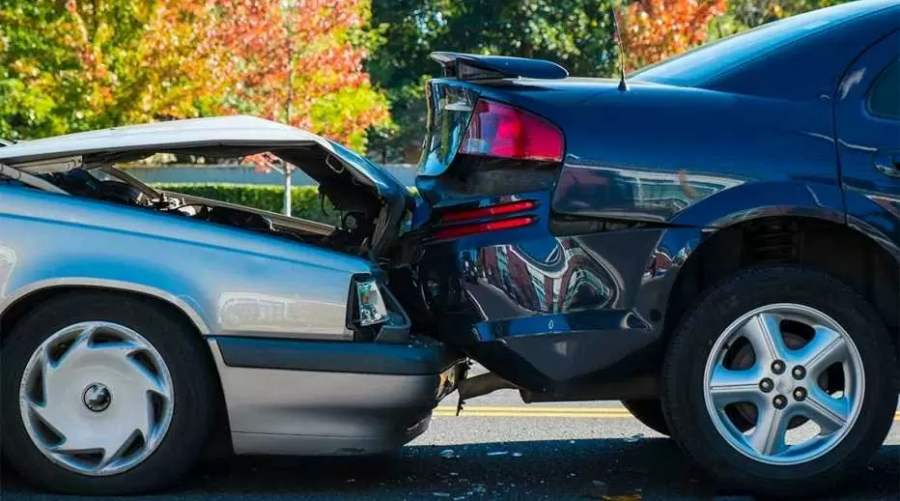
Your first priority after a car accident in Alaska is to check for injuries and call 911 if anyone may need emergency assistance. Even if the car accident injuries do not appear severe, it is important to assess everyone involved and request help when there is any concern about a person's condition.
Start by checking yourself for any signs of injury. Then, if it is safe to do so, check on passengers and others involved in the collision. Avoid moving someone who appears seriously injured unless there is an immediate danger, such as a fire or another hazardous condition.
Crashes on remote roads or highways may be farther from hospitals and emergency services, so what to do after a crash in Anchorage or another populated area can look very different from a crash in a remote part of the state. Regardless of the exact spot, call 911 and provide your location as accurately as possible, including:
- The highway name, if known
- The nearest mile marker
- A nearby intersection or landmark
- The direction of travel
- Whether there are injuries or vehicles blocking the roadway
Step 2: Move to Safety If Possible
If your vehicle can be moved safely and remaining where you are creates a danger, move to a safer location away from traffic. However, do not put yourself or others at additional risk by exiting a vehicle or attempting to move it in unsafe conditions.
In Alaska, crashes frequently occur on icy roads, during snowfall, or in areas with reduced visibility. Stepping out of a vehicle on an icy shoulder or standing near a travel lane can expose you to additional hazards, particularly on highways where approaching drivers may have limited time to react. Here is what to do:
- Turn on your hazard lights for your vehicle to be more visible.
- If you have reflective triangles or emergency markers and it is safe to place them, use them to warn approaching traffic.
- If the vehicle can be moved, pull as far off the roadway as possible.
- Be especially cautious when exiting a vehicle on snow or ice.
- Stay alert to approaching traffic and avoid standing in travel lanes.
On rural highways and remote roads, visibility can change quickly because of darkness, snow, fog, or blowing ice. In some situations, it may be safer to remain inside your vehicle with your seat belt fastened, particularly if road conditions are hazardous and emergency assistance is on the way. This helps reduce the risk of a secondary collision while keeping yourself and others as safe and visible as possible.
Step 3: Report the Accident

After addressing the immediate safety concerns, report the accident. Alaska law requires notice of a crash that results in bodily injury, death, or apparent total property damage of $2,000 or more. An official report can help document important details about the collision and may become relevant during the insurance claims process.
If law enforcement responds to the scene, answer questions honestly and provide factual information about what happened. Avoid speculating about fault or making assumptions about injuries that may not yet be apparent.
If you are instructed to complete or submit an accident report, do so promptly and keep a copy of any documentation related to the crash. The official incident record can help preserve information about the circumstances of the accident as questions arise later.
Step 4: Document the Scene
If you are physically able, record the accident scene as thoroughly as possible before vehicles are moved and conditions change. The information you gather immediately after a crash may help explain what happened and preserve details that could otherwise be lost.
In Alaska, weather and road conditions can change quickly. Snowfall may cover skid marks, ice can melt, and visibility conditions may be different only a short time after the collision. On remote roads, there may also be fewer witnesses and less available evidence than in more populated areas.
To document the scene, use this Alaska car accident checklist:
- Try to take photographs of the scene, capturing damage and physical injuries
- Obtain the other driver's details and contact information
- Speak with eyewitnesses and ask for their contact details
- Write down details of the crash, such as the dates and events happening before the collision
Taking a few minutes to document the scene when circumstances allow can preserve important details that may become more difficult to reconstruct later.
Step 5: Seek Medical Attention
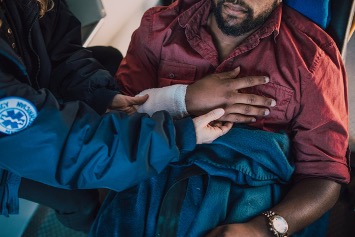
Consider seeing a medical provider after a car accident, even if you feel fine at first. Injuries are not always obvious right away, so it can help to be evaluated and to pay attention to how you feel in the hours and days following the crash.
Medical care is important for your health first and foremost. Receiving a prompt evaluation can help identify injuries that might otherwise go untreated and allow you to follow recommended treatment plans.
Importantly, medical records create documentation of your injuries and treatment. If questions later arise about the accident, when symptoms began, or the care you received, these records may become relevant as part of the insurance claims process. If your symptoms worsen, new symptoms develop, or you are unsure whether you should be evaluated, it is advisable to seek medical attention rather than assume everything is fine.
Step 6: Be Careful What You Say to the Insurance Adjuster
Be careful to provide accurate information and avoid guessing fault or the scope of your injuries when speaking with an insurance adjuster. The period immediately after an accident is often too early to know exactly how the collision happened or how your injuries may develop.
Insurance adjusters investigate accidents and handle claims for insurance companies. An adjuster may seem friendly and helpful, but their role is to resolve claims in the insurance company's interests. Specifically, keep these points in mind:
- Stick to the facts you know.
- Never admit fault or speculate about who caused the accident.
- Avoid guessing about injuries or saying you are fine if you are still being evaluated or monitoring symptoms.
- Read documents carefully before signing them.
- Take time to understand any settlement offer before accepting it.
It is also helpful to keep notes of your communications with insurance representatives, including the date of the conversation, the adjuster's name, and what was discussed. Having a record of these interactions can make it easier to track information as your claim progresses.
Step 7: Know Your Deadline to File a Claim
Personal injury lawsuits are subject to strict filing windows. You need to understand your legal deadlines after a car accident in Alaska so that you do not lose your ability to pursue a claim.
In Alaska, most personal injury claims are subject to a two-year statute of limitations. This means you must lodge a lawsuit within two years of the accident. However, there could be some exceptions that apply in certain circumstances, so filing deadlines should always be evaluated based on the unique details of the case.
This means that despite your focus on medical treatment and vehicle repairs, it is important to keep legal deadlines in mind. An Alaska car accident attorney will track your deadlines and preserve your eligibility to seek monetary compensation through a legal action.
Ask Crowson Law Group
A: Keep copies of photographs, repair estimates, medical records, receipts, insurance correspondence, and any other documents connected to the crash. Organized records can make it easier to respond to questions and support a future claim.
A: You may receive requests for a recorded statement shortly after the accident. Before providing detailed statements, talk to your car accident attorney in Alaska to guide you on how to approach the request. Many people find it helpful to understand the potential purpose of the interview to ensure they do not say
A: If the car accident happened in a remote area in Alaska, you still have to prioritize safety and assess whether anyone needs emergency assistance. Remote areas may involve delayed emergency response times and limited cell service, making it especially important to document the scene and seek help as soon as communication becomes available.
When Should I Contact a Lawyer After a Car Accident in Alaska?
In most cases, it may be helpful to seek legal guidance to ensure you do not make mistakes with your claim. In some cases, if your injuries are serious, fault is disputed, the insurance company is questioning your claim, or you are unsure how to move forward after the collision, make sure to work with a car accident attorney.
Some situations become more complicated than they initially appear. For example, symptoms may develop days after the accident, multiple parties may disagree about what happened, or questions may arise about available insurance coverage. Alaska's weather conditions, remote roadways, and long travel distances can also make investigations and evidence gathering more challenging.
Also, you may want to consider a free consultation if you received a settlement offer and do not understand how it was calculated. Most consultations do not obligate you to pursue a claim or hire a lawyer. Many people seek legal guidance because they want answers to their questions and a clearer understanding of what to expect.
Questions About What to Do After a Car Accident Answered by Our Alaska Attorneys
What if I wasn't sure who was at fault?
You do not need to be able to ascertain the fault at the accident scene. Liability investigations often involve reviewing police reports, photographs, witness statements, vehicle damage, and other evidence. If you are uncertain about what happened, focus on documenting the scene and providing accurate information rather than speculating about fault.
Do I need a lawyer for a minor accident?
Not every minor accident requires legal representation. However, some crashes that initially appear minor later involve injury claims, unexpected repair costs, or disagreements with the insurance company. Speaking with an attorney may help you clearly know your options and determine whether any issues could affect your claim.
What if the driver who hit me was using a borrowed car?
Insurance coverage can become more complicated when the at-fault driver was operating someone else's vehicle. In many situations, the vehicle owner's insurance policy may provide coverage, but the answer depends on the circumstances and the policy terms. An attorney can help find out which insurance policies apply by reviewing ownership information, permission to use the vehicle, and available coverage.
Get Help Understanding Your Options

Your steps after a car accident in Alaska should be both quick and informed. In some situations, well-meaning actions can make a future claim harder to pursue, which is why it can help to talk with a car accident attorney about what to do next.
At Crowson Law Group, we can step in, handle the details, and work to protect your claim. We are available 24/7 to listen to what happened, answer your questions, and help you understand what options may be available based on your situation. Call us today to schedule a free case evaluation.