A passenger injury claim after a car accident starts from an unusual place. In most injury cases, the first fight is about who caused the crash, and the injured person's own conduct is squarely at issue. A passenger sitting in a seat rarely has anything to do with it.
What complicates passenger claims instead is who pays, how much coverage exists, and how a person feels about making a claim when the driver was a friend, a spouse, or a parent. Those are the parts worth explaining properly.
Can a Passenger Make an Injury Claim After a Car Accident?
Yes, and a passenger is in the strongest liability position of anyone in the vehicle, because a passenger is almost never responsible for a crash. What that usually means in practice:
- You may have a claim against the other driver, against your own driver, or against both.
- The claim is made against an insurance policy, not against a person's savings.
- Being related to the driver does not disqualify you.
The harder questions are usually about coverage limits rather than about fault.
Key Takeaways about Can a Passenger Sue the Driver After an Alaska Car Accident
- A passenger is almost never at fault for a collision and may have a claim against either driver or both.
- A claim against a driver is made against that driver's liability insurance rather than against the driver personally.
- Alaska requires liability coverage of $50,000 per person and $100,000 per accident under AS 28.22.101, which is shared when several people are hurt.
- Alaska's bar on non-economic damages for uninsured motorists under AS 09.65.320 applies to a person who was driving, not to a passenger.
- Where both drivers share fault, Alaska apportions responsibility between them under AS 09.17.080.
Who Can a Passenger Claim Against?
A passenger can generally claim against whichever driver's negligence caused the crash, including the driver of the car they were riding in. The table below covers the situations that come up most.
| Situation | Who the claim runs against | What to watch |
|---|---|---|
| Other driver at fault | The other driver's liability policy | Whether their limits cover everyone injured |
| Your driver at fault | Your driver's liability policy | Household exclusions if you live with the driver |
| Both drivers at fault | Both policies, apportioned by fault | Two adjusters, each arguing the other's share is larger |
| Driver is a family member | That driver's liability policy | Policies often exclude relatives in the same household |
| Driver is uninsured | Your own uninsured motorist coverage, if carried | Whether you have UM through your own or a household policy |
| Rideshare passenger | The driver's policy and the platform's commercial coverage | Which coverage tier applied at the moment of the crash |
| Single-vehicle crash | The driver, or a road or vehicle defect claim | Whether conditions or equipment contributed |
The household exclusion in rows two and four is the one that genuinely surprises people, and it is worth checking early rather than assuming coverage exists.
Claiming When a Friend or Family Member Was Driving
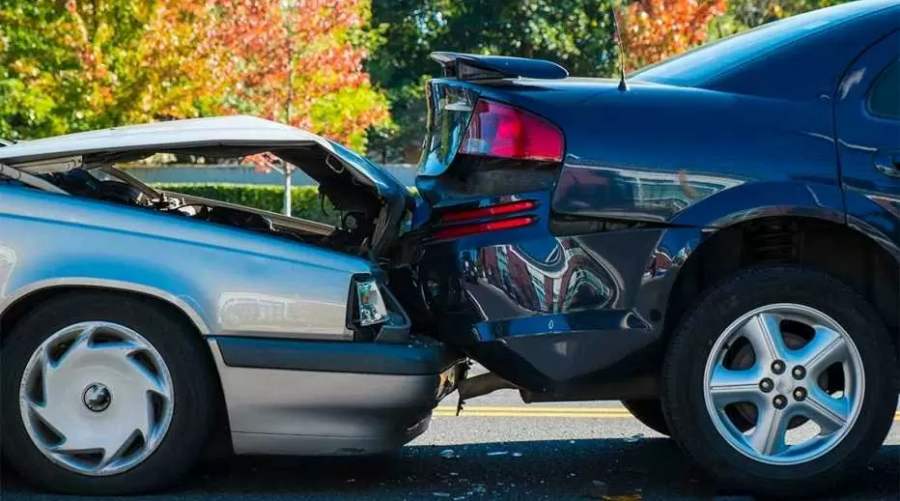
This is where most passengers hesitate, and the hesitation is understandable. Nobody wants to sue someone they care about, particularly someone who is also shaken by what happened.
Here is the practical reality. The claim is made against the driver's insurance policy, which is what the premiums were for, and in most cases, the insurer handles it from the first phone call onward. The driver is not writing a check from their own account.
It also helps to know that not claiming does not protect anyone. Medical bills do not disappear, and where they are not covered by a liability policy, they tend to land on the injured person, on health insurance with a right of reimbursement, or on both. A conversation with the driver before anything is filed usually removes most of the tension.
One genuine complication belongs here rather than in the reassurance. Many auto policies exclude claims by relatives living in the same household, which can leave a spouse or child without access to the driver's liability coverage. Where that applies, uninsured or underinsured motorist coverage often becomes the route instead.
What Happens When Several Passengers Are Injured?
They share the same per-accident limit, and this is the practical constraint almost nobody explains until it is too late to plan around. Alaska's minimum liability coverage under AS 28.22.101 is $50,000 per person and $100,000 combined for all injured parties in the accident.
So a car carrying four injured people is not looking at four separate $50,000 pools. It is looking at one $100,000 pool, split among them, when the at-fault driver carries minimum limits.
Two things follow from that. Serious injuries can quickly exhaust available coverage, making it more important to identify every applicable policy than in a single-claimant case. And the order in which claims are resolved can matter, since an insurer that settles early with one claimant has less left for the others. Understanding how policy limits work in Alaska is genuinely worth doing before accepting anything.
Can a Passenger Use Their Own Uninsured Motorist Coverage?
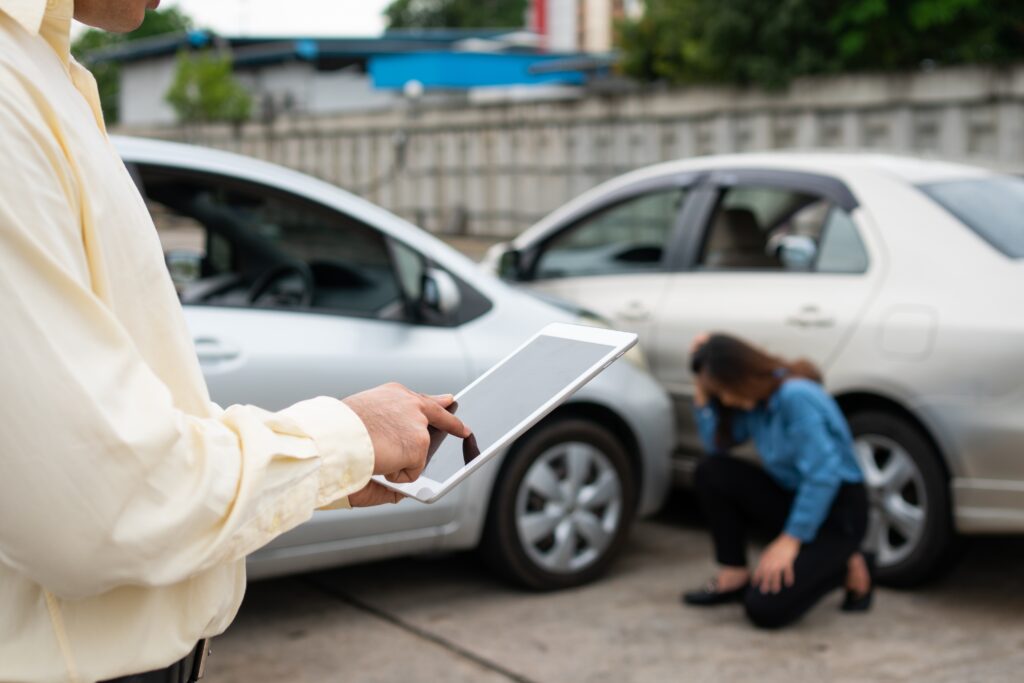
Often, yes, even though the passenger was not driving their own car. Uninsured and underinsured motorist coverage typically follows the insured person rather than the vehicle, so coverage under your own policy, or under a policy in your household, may respond when the at-fault driver has no insurance or not enough of it.
Underinsured coverage is the one that matters most in multi-passenger crashes. When the at-fault driver's limits are exhausted by everyone's claims, UIM can cover the gap for an individual passenger.
The path is the same one that applies when a driver has no coverage at all, including a hit-and-run driver who is never identified. Promptly notifying your own insurer matters because these policies have their own notice requirements.
How Is Fault Split When Both Drivers Are Responsible?

Alaska assigns each driver a percentage of fault and holds each responsible for their own share, which means a passenger may need to pursue both policies rather than choosing one. Under AS 09.17.080, the court enters judgment against each liable party on a several liability basis according to that party's percentage.
For a passenger, this is mostly an administrative burden rather than a legal problem. Each insurer has an incentive to argue the other driver was more responsible, which can slow things down considerably while neither moves.
It rarely reduces what is recoverable overall, though. The passenger's own fault is not part of the equation, so the percentages are being divided between the other two people.
When a Passenger Can Share Fault
It is uncommon, and it is worth stating plainly because insurers occasionally raise it anyway. The situations where a passenger's own conduct genuinely comes into play are narrow.
- Knowingly riding with a driver who was obviously impaired
- Interfering with the driver or the vehicle's controls
- Failing to wear an available seat belt, where that affected the injuries rather than the crash
- Riding in a part of the vehicle not designed for passengers
Even where one of these applies, Alaska's pure comparative fault rule under AS 09.17.060 reduces recovery by the assigned percentage rather than eliminating the claim. A passenger who bears some share still has a claim worth pursuing.
FAQs about Passenger Injury Claims in Alaska
These are the questions passengers ask us most often.
I do not have car insurance myself. Can I still claim?
Yes. AS 09.65.320 restricts non-economic damages for a person injured while driving without insurance, and a passenger is not driving. Being uninsured yourself does not bar a passenger claim. What it may cost you is access to uninsured motorist coverage you would otherwise have had.
Will making a claim raise my driver's insurance rates?
Possibly, though the rate consequence generally follows the finding of fault and the claim payout rather than who reported it. The crash is reported to the insurer regardless of whether a passenger claims. Declining to claim rarely changes the driver's premium.
What if I was in a work vehicle or on the job?
Workers' compensation may apply alongside a claim against an at-fault third party, and the two interact in ways worth sorting out early. Your employer's insurer may have a right to reimbursement from any third-party recovery, which affects what reaches you.
Do children injured as passengers have longer to claim?
Generally yes. Alaska tolls the limitations period for minors, so the deadline for a child's own claim typically does not run in the usual way until they reach 18. A parent's separate claim for the child's medical expenses may follow a different timeline, which is worth clarifying rather than assuming.
What if I was a passenger on a motorcycle?
The analysis is the same. A motorcycle passenger can claim against the operator, against another at-fault driver, or against both. Insurers sometimes argue that riding as a passenger carried accepted risk, which is not a defense to another party's negligence.
Should I give a statement to my driver's insurance company?
Your own insurer's policy generally requires cooperation. A liability insurer for another driver, including your driver, is a different matter, and a recorded statement is not something you are required to give. Getting advice before that call is usually worth the delay.
How long do I have to bring a claim?
Most Alaska personal injury lawsuits must be filed within two years of the crash under AS 09.10.070. Claims involving minors, government vehicles, or uninsured motorist coverage can follow different timelines and notice requirements. Checking early costs nothing.
You Were Along for the Ride. You Should Not Be Left With the Bill.

Passengers often end up with the clearest claim and the least information, and sometimes with the most hesitation about making one. If you were hurt riding in someone else's vehicle, we will explain what coverage is likely available and what your options actually look like.
At Crowson Law Group, our attorneys handle Alaska car accident claims from Anchorage and Wasilla. Consultations are free, and we are reachable around the clock at 907-777-7777.
Stay Cool, Stay Calm, Call Crowson.