
Common Challenges Encountered in Drunk Driving Cases
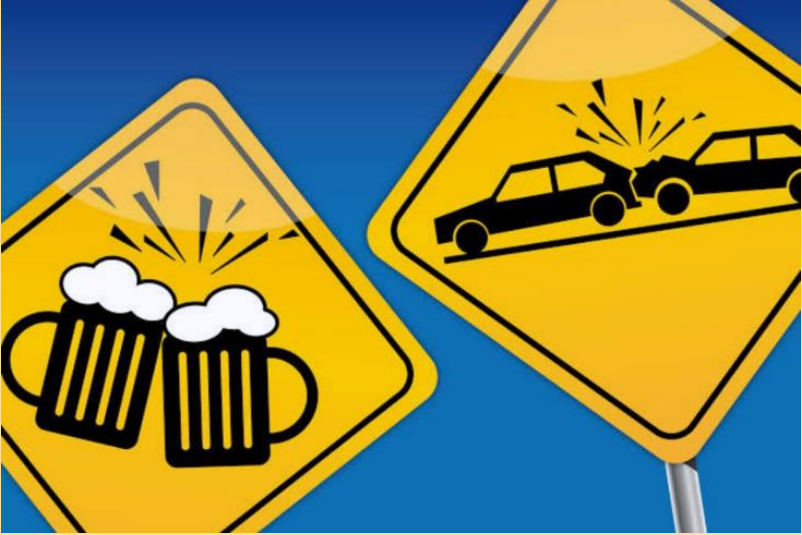
Being in a car crash is a jarring and frightening experience. When the person who hit you was driving under the influence, it adds another layer of shock and anger to an already difficult situation. Many people assume that if the other driver was drunk, getting fair compensation will be simple. While it’s true that the other driver’s choice to drink and drive is strong evidence of their fault, the path to recovery can still be complicated. Understanding the common challenges encountered in drink-driving cases can help you prepare for the road ahead and protect your rights—with guidance from an experienced Anchorage car accident lawyer.
Schedule a Free Initial Consultation
Key Takeaways about Challenges in Drunk Driving Accident Cases
- Proving that a driver’s intoxication was the direct cause of the collision, not just a contributing factor, can be a hurdle in a personal injury claim.
- Insurance companies may use various tactics to reduce the settlement amount, even when their policyholder was clearly intoxicated.
- A drunk driving incident involves two separate legal processes: a criminal case for the DUI and a civil case for the victim’s compensation, which can influence each other.
- Identifying all potentially responsible parties, which may include a bar or restaurant that over-served the driver, is essential for securing full compensation.
- Accurately calculating all current and future damages, including non-economic losses like pain and suffering, is a complex but critical part of the claim.
Proving Intoxication Was the Direct Cause of the Crash
One of the first hurdles in any personal injury claim is proving causation. In legal terms, this means you have to show that the other party’s wrongful act directly led to your injuries. In a drunk driving case, it isn’t enough to just show the other driver had a Blood Alcohol Concentration (BAC) over the legal limit. You must connect their impairment to the specific actions that caused the crash.
The other driver’s insurance company might try to argue that other factors were the true cause of the collision. They could claim that icy road conditions on the Glenn Highway were to blame, or that you suddenly stopped, giving their driver no time to react. They will look for any opportunity to shift responsibility away from their policyholder, even if that person was intoxicated.
To build a strong case, it’s necessary to gather clear evidence that demonstrates how the driver’s impairment caused the crash. This evidence often includes:
- Official Reports: The police report will contain crucial details, including the officer’s observations of the driver, results from field sobriety tests, and any citations issued.
- Chemical Test Results: The results from a breath, blood, or urine test provide scientific proof of the driver’s level of intoxication.
- Eyewitness Accounts: People who saw the crash or observed the driver’s erratic behavior beforehand—like swerving or speeding—can provide powerful testimony.
- Expert Analysis: In some cases, an accident reconstructionist can analyze the crash scene evidence to show how an impaired driver’s slowed reaction time or poor judgment led to the collision.
Gathering and presenting this evidence effectively is key to showing that the accident wouldn’t have happened if the other driver had not been behind the wheel while impaired.
Dealing with Insurance Companies and Their Tactics
A common belief is that if you are hit by a drunk driver, their insurance company will quickly offer a fair settlement. Unfortunately, this is rarely the case. Insurance companies are businesses, and their primary goal is to protect their bottom line by paying out as little as possible on claims. Even in what seems like an open-and-shut case, you can expect the adjuster to use tactics designed to minimize your payment.

The Problem of a Lowball Settlement Offer
Soon after the crash, you may receive a call from the at-fault driver’s insurance adjuster. They might sound friendly and concerned, and they may even offer you a quick settlement. This initial offer is almost always far less than what your claim is actually worth. The adjuster’s goal is to get you to accept the offer and sign a release before you know the full extent of your injuries and financial losses.
Accepting it means you give up your right to seek any more compensation for this incident, even if you later need surgery or discover your injuries are permanent.
Questioning the Severity of Your Injuries
Another common tactic is for the insurance company to downplay the severity of your injuries. They might review your medical records and suggest that your pain is related to a pre-existing condition, or that you are not as hurt as you claim to be. They may even hire their own medical professionals to review your file and challenge your doctor’s diagnosis and treatment plan.
This is why consistent medical care and clear documentation from your doctors are so important. They create a record that links your injuries directly to the crash and shows the impact they have on your life.
The Intersection of Criminal and Civil Cases
When a drunk driver causes a crash, it sets two different legal processes in motion. Understanding how they relate is one of the more confusing challenges encountered in drunk driving cases.
- The Criminal Case: The State of Alaska prosecutes the driver for the crime of Driving Under the Influence (DUI). The goal is to punish the driver through fines, license suspension, or jail time. As the injured person, you are a witness in this case, but you are not in control of it.
- The Civil Case: This is your personal injury claim, which you file to seek financial compensation for your losses. The goal is to be made “whole” again financially by recovering money for medical bills, lost income, property damage, and pain and suffering.
These two cases proceed on separate timelines but can significantly impact one another. A conviction or guilty plea in the criminal case can be very powerful evidence in your civil claim. It establishes that the driver was, in fact, intoxicated and acted negligently. However, a criminal conviction does not guarantee you will receive compensation. You still must prove the extent of your damages in the civil case.
There can also be delays. The at-fault driver might “plead the Fifth” (the right to remain silent to avoid self-incrimination) in your civil case while their criminal charges are pending. This can slow down the process of gathering information for your claim.
It’s a complex interaction, and knowing how to use the criminal case to your advantage without letting it hinder your civil claim requires careful handling. Under Alaska law, operating a vehicle while under the influence of alcohol or a controlled substance is a serious offense, and the record of that offense can be vital.
Identifying All Liable Parties (Dram Shop Laws)
While the intoxicated driver is clearly responsible, they may not be the only one. In some situations, a third party who provided the alcohol to the driver could also be held legally accountable. This is an area of law known as third-party liability. Identifying these additional parties is crucial, especially if the driver has minimal insurance coverage.
In Alaska, this is primarily governed by “dram shop laws.” A dram shop law allows an injured person to hold a business that sells alcohol liable for damages if it provided alcohol to a person who was already visibly intoxicated. In plain English, if a bartender at a place in downtown Anchorage continued to serve drinks to someone who was slurring their words and stumbling, and that person then drove and caused a crash, the bar could be held partially responsible for the resulting injuries.
Proving a dram shop case involves a thorough investigation to determine:
- Where the driver was drinking before the crash.
- Whether employees of the establishment knew or should have known the person was intoxicated.
- If the business has a history of similar violations.
This investigation might include tracking down receipts, interviewing other patrons or employees, and reviewing security footage from the establishment. Alaska’s dram shop law outlines the specific conditions under which a licensed vendor can be held liable. Pursuing these claims can be complex, but it can also be a vital source of recovery for injured people.
Calculating the Full Scope of Your Damages
One of the most significant challenges encountered in drink-driving cases is accurately calculating the total value of your claim. Your losses are not just the medical bills you have today or the work you missed last week. A serious injury can have lifelong consequences, and a fair settlement must account for all of them.
Damages are typically broken down into two main categories:
- Economic Damages: These are the tangible financial losses that have a specific dollar amount attached to them. They include past and future medical expenses, lost wages, loss of future earning capacity if you can no longer work in the same job, and property damage.
- Non-Economic Damages: These are the intangible losses that don’t have a simple price tag. They cover your physical pain, emotional distress, scarring or disfigurement, and loss of enjoyment of life—for example, not being able to hike Flattop Mountain or go fishing with your family anymore.
In drunk driving cases, another type of damages, known as punitive damages, may also be available. Unlike the other damages, which are meant to compensate you for your losses, punitive damages are intended to punish the wrongdoer for their reckless behavior and to deter others from doing the same. Because driving drunk is seen as a willful disregard for the safety of others, courts are sometimes willing to award punitive damages.
Calculating these future costs and assigning a fair value to your pain and suffering is a complicated process that often requires input from medical experts, financial planners, and vocational specialists. Getting this calculation right is essential to ensuring you have the financial resources you need to recover fully and move forward.
FAQs for Common Challenges Encountered in Drunk Driving Accident Cases
Here are answers to some frequently asked questions about the difficulties that can arise in drunk driving accident claims.
What if the drunk driver was uninsured or underinsured?
If the at-fault driver has no insurance or not enough to cover your damages, you may be able to file a claim with your own insurance company through your Uninsured/Underinsured Motorist (UIM) coverage. This is an important part of your own policy that is designed to protect you in exactly this situation.
How long do I have to file a personal injury claim in Alaska?
In Alaska, the statute of limitations—which is the deadline for filing a lawsuit—for most personal injury cases is two years from the date of the injury. If you miss this deadline, you will likely lose your right to seek compensation forever. It’s important to act promptly to protect your rights.
Will my own insurance rates go up if I file a claim after being hit by a drunk driver?
If the other driver was clearly at fault, filing a claim for your damages, either with their insurer or through your own UIM coverage, should not cause your insurance rates to increase. Your rates are generally affected by at-fault accidents, not by claims you make when someone else was responsible for the harm.
Can I still get compensation if I was partially at fault for the accident?
Alaska follows a “pure comparative negligence” rule. This means you can still recover damages even if you were partially at fault, but your compensation will be reduced by your percentage of fault. For example, if you were found to be 10% at fault, your total award would be reduced by 10%.
What should I do if the drunk driver’s insurance company contacts me directly?
It is wise to be cautious when speaking with the other driver’s insurance adjuster. You are not required to give them a recorded statement, and you should not sign any documents or accept any offers without fully understanding your rights. You can simply tell them that you are focusing on your recovery and will be in touch later, or that you are seeking legal guidance.
Get the Help You Deserve After a Drunk Driving Crash
Facing the fallout of a drink-driving accident can feel like an uphill battle. The legal process is filled with potential pitfalls, and an experienced personal injury attorney can help you anticipate and address the challenges encountered in your drink-driving accident case.
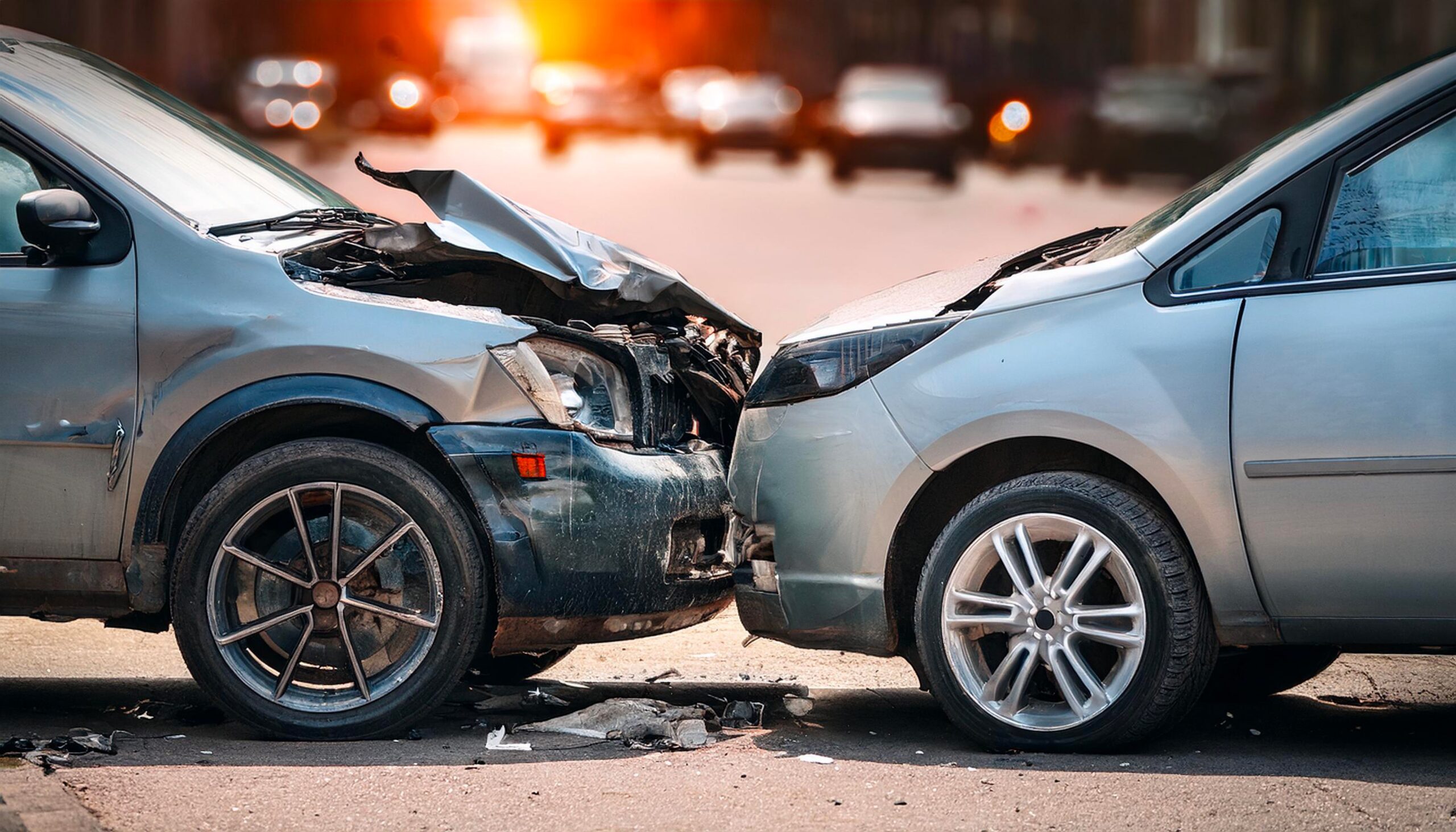
At Crowson Law Group, our team is dedicated to helping injured Alaskans get the resources they need to heal and rebuild. We understand the tactics insurance companies use, and we are prepared to stand up for your rights to secure the full and fair compensation you are owed. As an experienced Anchorage, AK, personal injury lawyer, we focus on our clients, making sure you have a good experience and are kept informed every step of the way.
Stay Calm. Stay Cool. Call Crowson. Contact our Anchorage and Wasilla offices today at (907) 418-3116 or visit our contact page for a free, no-obligation consultation to discuss your case.