
Is Your Approach The Same For Car Accidents With And Without Injuries?
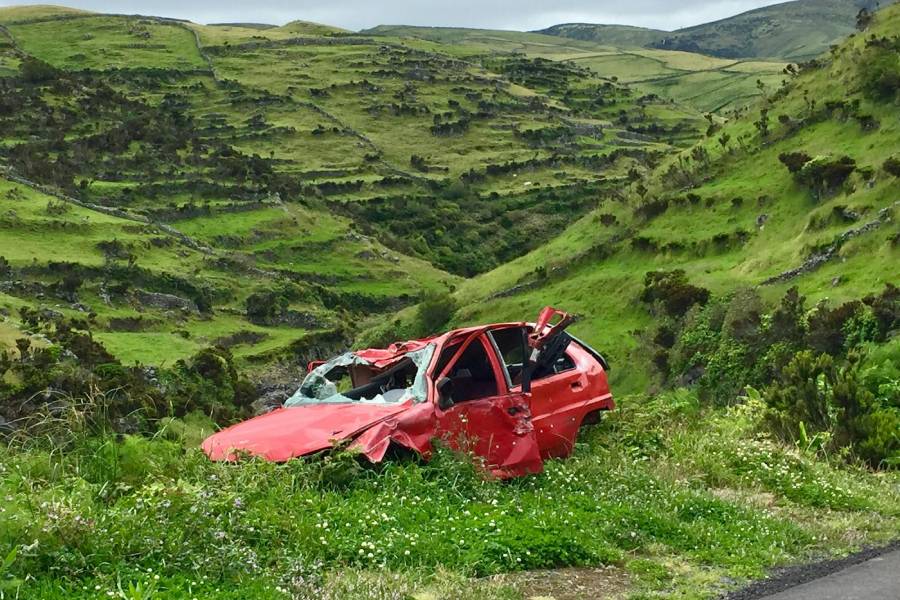
Confusion about what to do is a typical experience after a car accident in Alaska. How you approach the situation should vary based on whether anyone is hurt.
Although specific steps are common to all accidents, your legal course of action may vary significantly. It is essential to understand these differences, and the assistance of an experienced lawyer, even a non-injury car accident lawyer, can be invaluable in defending your rights.
Your Immediate Actions at Any Accident Scene
Regardless of whether the injuries are visible, there are specific steps you need to take immediately after any car accident in Alaska to ensure that everyone is safe and to act according to the law. These preliminary steps are the basis of any insurance claims and lawsuits that can follow.
Prioritizing Safety and Legal Obligations
The first and most important thing you should do is stop your vehicle at the accident scene, or as near as possible without creating an additional hazard. Alaska Statute 28.35.050 requires one to stop in case of an accident that causes injury, death, or damage to a vehicle. Once you have stopped, you should provide your name, address, and vehicle registration number to the other driver involved. It is also a great idea to get the other driver’s insurance details.
The Importance of Reporting the Accident
You are obligated by law to report the crash. Alaska Statute 28.35.080 states that when an accident causes injury, death, or property damage that seems to exceed $2,000, you must immediately report the accident to the local police or the Alaska State Troopers. If the law enforcement officer fails to come to the scene to investigate, you have 10 days to file a written report with the Alaska Division of Motor Vehicles. This official report is essential to your insurance company and any possible legal proceedings.
Documenting the Scene Thoroughly
You should describe the accident scene in detail, no matter how trivial it may be. Take pictures of both cars with your phone, with the damage in different angles. You must also take photographs of the surrounding area, skid marks, traffic signs, and the overall road conditions. In case there were witnesses to the accident, obtain their names and contact details, as they can objectively describe what happened.
How Legal Strategies Diverge
Your initial responses at the scene should be the same, but your legal approach will vastly differ in the case of injuries. It is no longer just about repairing the property but also about compensation for physical pain and emotional distress.
Handling a Non-Injury Accident
If no one is injured, the main thing you will be worried about is the damage to your vehicle. Alaska law mandates all drivers to carry a minimum of $25,000 in property damage liability insurance. The claim process will begin with obtaining a repair estimate of your car, which the at-fault driver’s insurance should cover. Another factor is the diminished value.
The diminished value is the difference between the car’s pre-accident value and the car’s post-accident value. Your car can be valued lower than before the accident after repair, and you can be compensated for this loss. More importantly, you must remember that not all injuries are immediately visible. A pain that may appear insignificant at first can turn into a more serious problem in the future, and a medical examination is always a good idea.
The Complexities of an Injury Accident Claim
When a car crash results in physical injuries, the legal procedure is much more complicated and encompasses a broader scope of damages. You should seek medical attention as soon as possible, not only to treat your injuries but also to establish a formal record of your injuries and their connection to the accident. You may demand compensation for economic and non-economic damages in a personal injury case.
Economic damages include such tangible costs as medical expenses and lost wages. Non-economic damages compensate intangible suffering, including pain, emotional distress, and a reduced quality of life. Alaska has a pure comparative negligence rule, which implies that you may still receive compensation even though you were partially at fault in the accident. Your percentage of fault will, however, reduce your final award.
Following any car accident in Alaska, defend your rights. Our skilled lawyers can guide you through the maze. Contact us now to obtain a free, confidential case consultation.
Featured Image Source: https://www.pexels.com/photo/broken-car-3368844/