If you have been involved in an accident and sustained a shoulder injury, you might be wondering how this injury could affect the value of your personal injury claim. Valuing a shoulder injury claim in Alaska involves several key factors that influence the potential compensation you might receive.
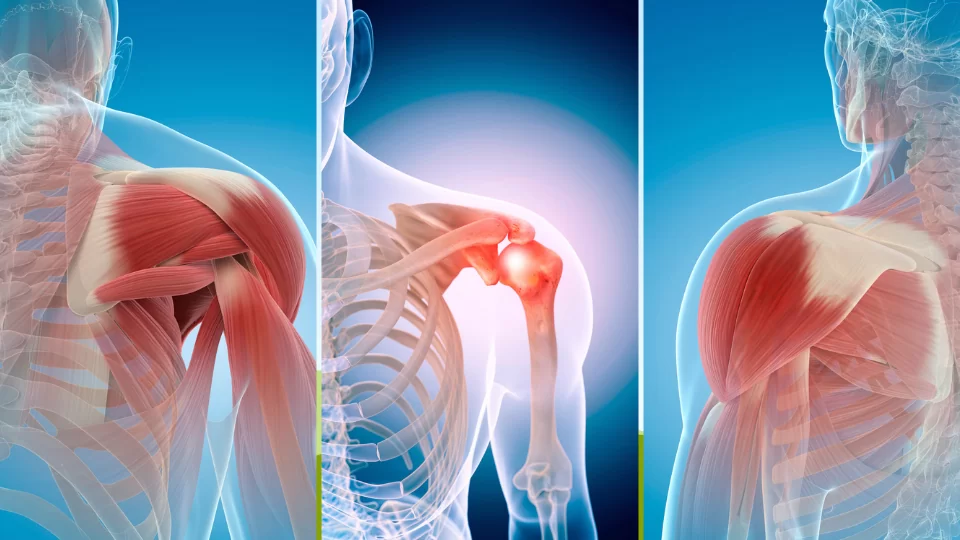
Shoulder injuries can vary widely in type and severity. Generally, these injuries involve the tendons, muscles, and ligaments rather than the bones themselves. However, fractures at the shoulder joint do occur. Two broad medical categories often associated with shoulder injuries are instability and impingement.
Instability occurs when one of the shoulder joints is out of alignment, leading to pain when raising the arm or a sensation of the shoulder slipping out of place. This condition can result from trauma or repetitive use, affecting daily activities and overall quality of life.
Impingement happens when the shoulder muscles rub against the top of the shoulder blade. This condition is typically caused by repetitive overhead arm movements and can lead to chronic pain and restricted movement.
Less common but more severe injuries include fractures of the bones at the shoulder joint, which can significantly impact a person’s ability to work and perform everyday tasks. Understanding the type and severity of the shoulder injury is crucial in estimating the potential value of a personal injury claim.
Several factors influence the value of a shoulder injury claim. These include the severity of the injury, liability and fault, economic damages, and non-economic damages.
The extent of medical treatment required, the duration of recovery, and any permanent disability or impairment play significant roles in determining the claim’s value. More severe injuries that require surgery, extensive physical therapy, and lead to long-term or permanent disability generally result in higher compensation.
The circumstances of the accident and evidence of negligence or fault are critical. If it is clear that another party’s negligence caused the injury, the likelihood of a higher shoulder injury settlement increases. Conversely, if there is shared fault or the plaintiff’s actions contributed to the accident, the claim’s value may be reduced.
These are quantifiable expenses related to the injury, such as medical bills (both current and future), lost wages, and loss of earning capacity. Accurate documentation of these costs is essential for calculating economic damages.
These damages compensate for pain and suffering, emotional distress, and loss of enjoyment of life. Unlike economic damages, non-economic damages do not have a fixed dollar amount and are often based on past similar cases and the severity of the impact on the plaintiff’s life.
In cases that go to trial, the jury’s role is to determine the extent of the plaintiff’s damages. They consider the evidence presented, the severity of the injury, and the impact on the plaintiff’s life. The plaintiff’s presentation and credibility can significantly influence the jury’s decision.
Hiring an experienced personal injury attorney in Anchorage is crucial for navigating the complexities of a shoulder injury claim. An attorney can help gather evidence, negotiate settlements, and represent you in court.
Valuing a shoulder injury claim in Alaska involves considering various factors, including the severity of the injury, liability, and economic and non-economic damages. Each case is unique, and seeking professional legal advice is essential for accurate claim valuation.
Featured Image Source: https://www.theworkinjurysite.com.au/lump-sum/workcover-payouts-for-shoulder-injuries/