A specific and organized physical therapy approach must be designed for each injury recovery process. Medical rehabilitation techniques become easier to understand when patients participate in their recovery, resulting in optimal healing outcomes.
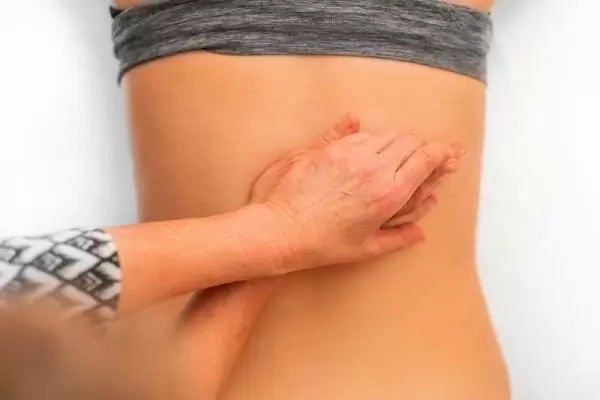
Manual therapy is among the initial treatment approaches that personal injury physical therapists employ during therapy sessions. Through hands-on treatment, practitioners work with muscles, joints, and soft tissue to enhance blood flow, regain movement capability, and reduce discomfort.
Joint mobilization breaks down joint stiffness, and soft tissue mobilization addresses muscle tension and scar tissue development. Your therapist reduces inflammation and stimulates your body’s healing systems through exact pressure and strategic movements. Manual therapy delivers exceptional results for patients who need personal injury physical therapy for injuries, back pain, and post-surgical stiffness.
Therapeutic exercises are heavily relied on for injury rehabilitation. These exercises help patients build weak muscles while simultaneously improving their flexibility. Your therapist’s exercise plan for your recovery will include specific movements that heal your injury and protect your body from additional harm.
Strengthening exercises rebuild muscle performance while stretching exercises stop stiffness and increase mobility. Balance and coordination drills improve stability, lowering the chances of reinjuring the body. Consistently performing these exercises helps speed up healing while building total physical strength.
E-stim is a treatment that uses low-voltage electricity to activate nerves and muscles. It is a valuable technique for patients recovering from nerve injuries combined with muscle wasting or severe injuries restricting movement.
Patients experience reduced pain and muscle protection through E-stim, while injured tissues benefit from improved blood flow. Medical professionals use electrical stimulation as an essential tool for spinal cord injury patients and post-surgical recovery patients to restore muscle control and function.
Acoustic waves from ultrasound therapy allow deep penetration into soft tissues, providing a gentle approach to speeding up recovery. The sound waves produce heat that enhances blood flow and decreases muscle spasms, stiffness, and swelling.
The technique is proven to treat tendonitis, ligament injuries, and deep muscle strains. Through its deep tissue warming mechanism, ultrasound therapy effectively breaks down scar tissue, improving flexibility and mobility in the long run. The treatment process produces no discomfort but delivers substantial advantages through tissue healing properties and inflammation control benefits.
When dealing with injuries, people commonly find relief by using heat or cold treatments to control pain and inflammation. Heat therapy serves multiple purposes: It helps relax muscles, boost circulation, and enhance tissue flexibility.
Applying heat through heating pads, warm compresses, or hydrotherapy produces desirable effects for chronic pain conditions and stiffness. Ice packs or cryotherapy function as cold therapy to minimize swelling and block acute pain, making them helpful in treating injuries during their initial phase. The decision to use hot and cold treatments in your therapy depends on your healthcare needs and the current healing stage.
Physical therapy education is an essential component that therapists teach their patients. Your rehabilitation success will improve when you learn about your injury, learn correct movement practices, and follow recommended self-care procedures.
Your therapist will teach you how to correct your posture, adjust your work environment, and prevent injuries. Daily practice of these lessons will help you avoid additional health problems and sustain your physical health in the long run.
Physical therapy is necessary after an injury to restore movement capabilities and full function. Advanced treatment modalities, manual therapy, and therapeutic exercises allow patients to heal faster while restrengthening their bodies. Your commitment to your therapy plan and active participation in recovery work produce the most successful rehabilitation results.
Featured Image Source: https://unsplash.com/photos/person-in-black-and-white-striped-long-sleeve-shirt-t_29wZLpYwg