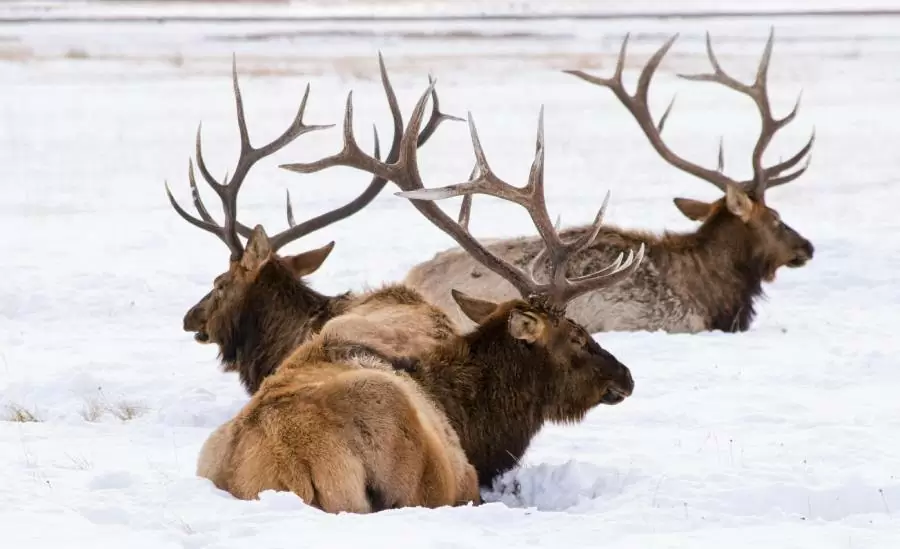
The number of wildlife collisions, particularly with moose and caribou, is frighteningly high in Alaska. The Alaska Department of Fish & Game estimates that more than 800 moose are hit by cars every year. These accidents are common in Anchorage, Mat-Su Valley, and Fairbanks, particularly during migration seasons.
You are supposed to drive with reasonable care. If you hit a moose, the Alaska law (Title 28) demands that you report the case immediately. The penalty for not reporting may lead to sanctions and compromise your right to damages. If you were driving carelessly or inattentively, you can be deemed partially at fault according to the comparative negligence rule of Alaska (AS 09.17.060).
It is not always the fault of the driver. It may be responsible if the Department of Transportation did not put appropriate signs in high-risk areas or did not keep the roads visible. For example, the fencing and moose warning systems have reduced the number of accidents on some parts of the Glenn Highway. An Alaska tort law government claim can be used when there was a lack of similar precaution in the place where you were involved in an accident.
Liability can be distributed if you drive a rental or commercial car. For example, the companies may be held responsible for improper maintenance of the headlights or brakes, particularly in rural or high-risk locations.
Not all insurance policies provide the same level of protection. Collisions with moose or caribou are usually covered under comprehensive coverage. You will not be compensated for your damage without liability insurance. Alaska also mandates insurers to provide uninsured/underinsured motorist coverage, which may apply to a multi-vehicle accident caused by wildlife.
It is about filing a claim in time and with the necessary documents. Add photographs, police or trooper reports, and veterinary confirmation if an animal was involved.
If you or any of the passengers were injured, you are entitled. You are typically allowed two years under AS 09.10.070 to bring a personal injury case. In case the crash was caused by the negligence of another party, such as the poor design of the road or inappropriate signs, you might be entitled to compensation for the medical bills, pain, lost income, and emotional distress.
First, make it safe. Turn on hazard lights, check passengers, and call 911. Do not go to the animal- it can still be dangerous. Contact the police about the crash, and do not take the animal or salvage it without authorization. Retain records such as photographs, witness testimonies, and accident reports- these are significant if you decide to claim.
Wildlife litigation is not simple. You will require assistance dealing with liability, insurance bargaining, and state-specific processes. An experienced car accident lawyer near me will be able to assess the facts, determine who is at fault, and make sure you are not cheated out of what your case is worth.
In Alaska, wildlife collisions are not simply bad luck but a core legal and economic issue. Knowing what to do, how to file a claim, and when to hire a lawyer may be the difference between getting justice and getting the bill.
Featured Image Source: https://www.pexels.com/photo/a-group-of-elks-lying-on-snow-covered-ground-7226892/